ARID Supplementum
Analecta Romana Instituti Danici. Supplementum (ARIDS) is the monographic series of supplement volumes associated with ARID. Like the journal, the first issue was published in 1960. The series publishes studies - monographs, doctoral theses, the proceedings of the many symposia and seminars held at the Academy, etc. - in the Academy's main research areas: humanistic studies (ancient history, archaeology, philology, history, art history, literature, etc.), architecture, visual arts and musicology.
Submissions are encouraged from any researcher and expert working in the fields of the Academy. Formal affiliation with the academy is not required. Please contact the editorial office to discuss manuscript submission.
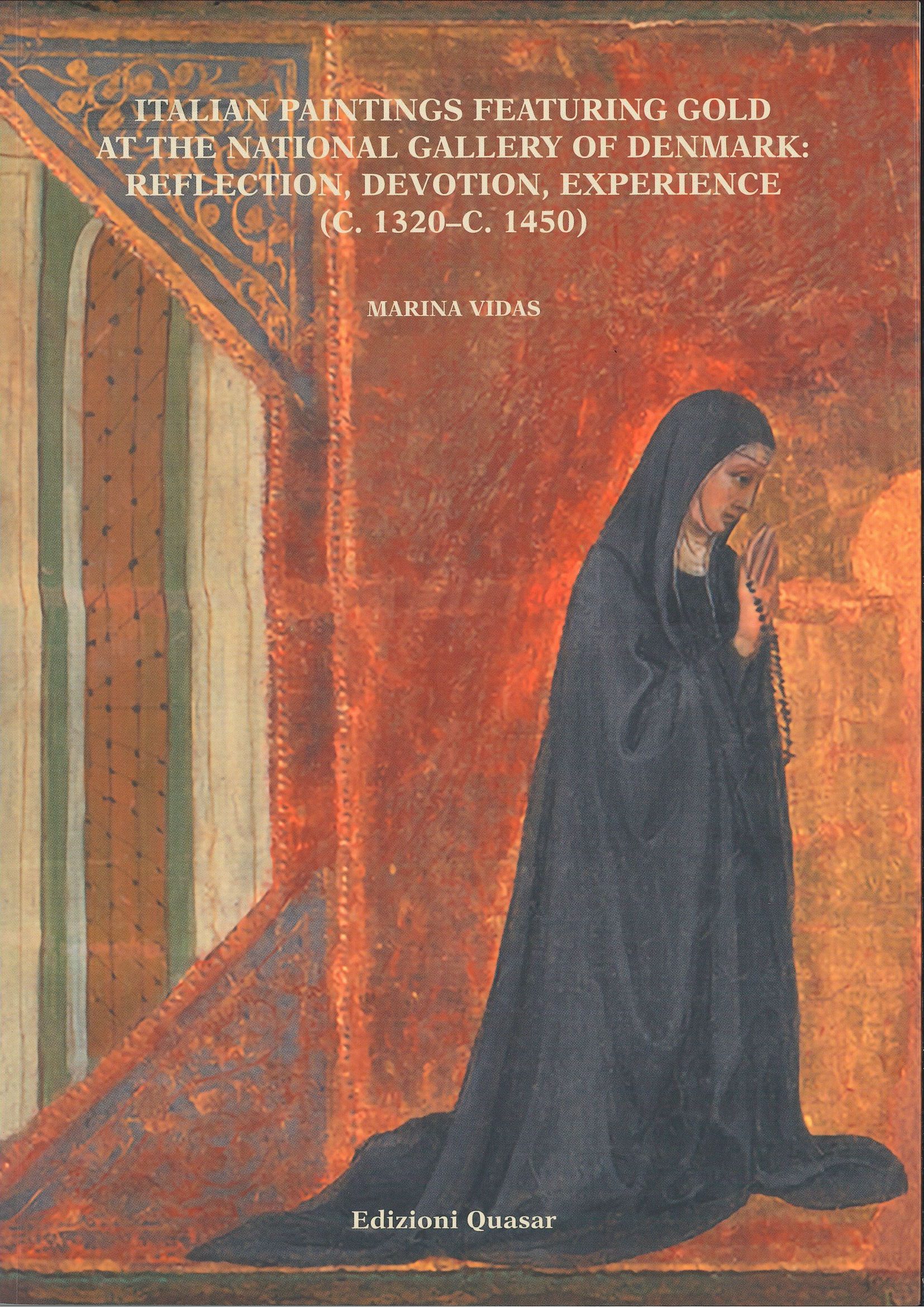
LXII Italian Paintings Featuring Gold at the National Gallery of Denmark: Reflection, Devotion, Experience (c. 1320- c- 1450)
Forfatter: Marina Vidas
Editor: Edizioni Quasar
Website: https://edizioniquasar.it/products/italian-paintings
Contents
Acknowledgements
List of Figures
Introduction
Catalog of Paintings
Illustrations
Bibliography
Index of Paintings and Manuscripts
Review
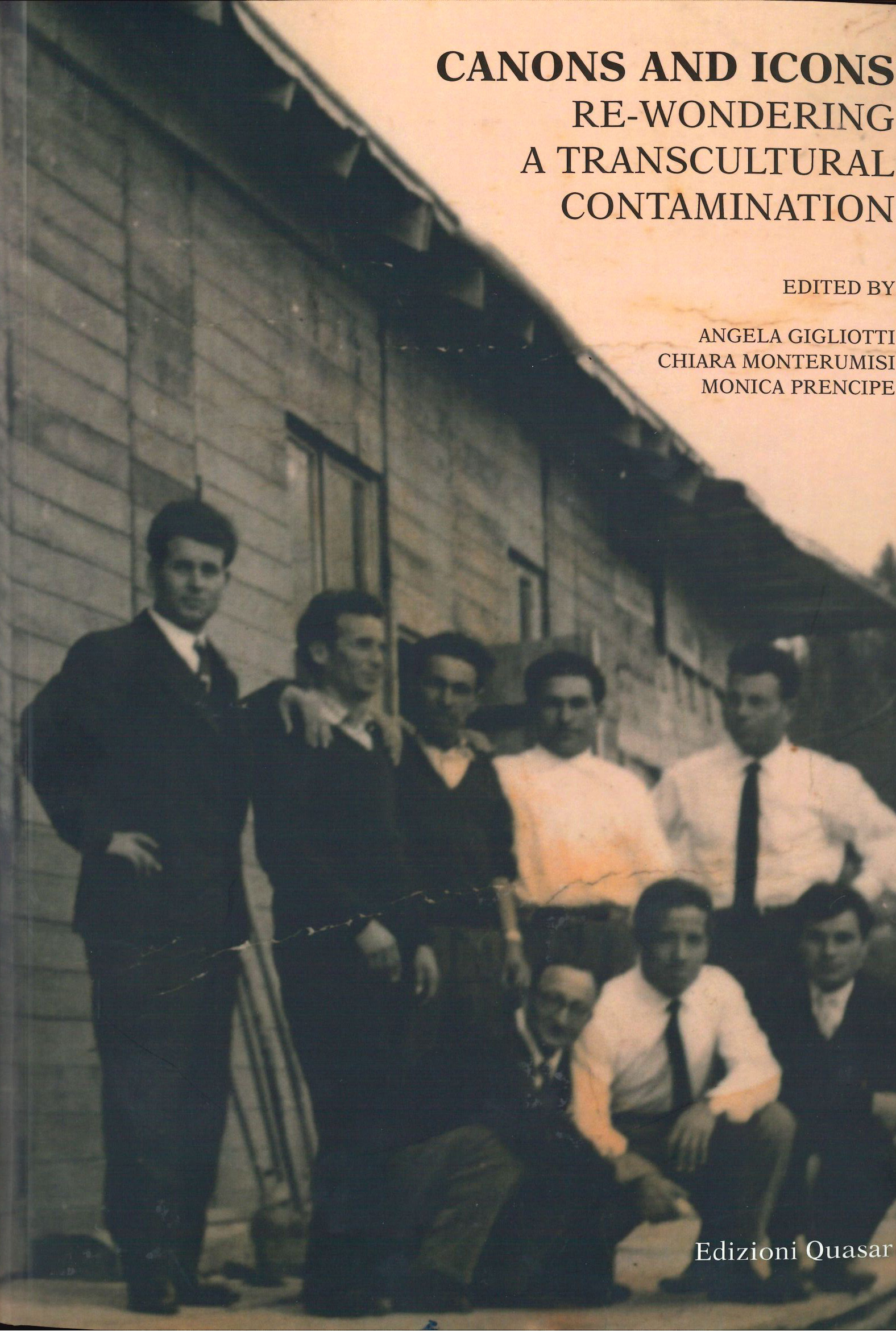
LXI Canons and Icons. Re-wondering a Transcultural Contamination
Forfatter: Angela Gigliotti, Chiara Monterumisi & Monica Prencipe (Ed.)
Editor: Edizione Quasar
Contents
Contents
Acknowledgement
Angela Gigliotti, Chiara Monterumisi and Monica Prencipe, Introduction
Wanders & Encounters
Carlotta Torricelli, The Two Sides of Swedish Neoclassicism. The Tension of Compositional Quests in Carl August Ehrensvärd
Espen Johnsen, Architectural Order and Complexity. Visual Strategies in Blakstad and Munthe-Kaas’s Italian Study Tours
Eeva-Liisa Pelkonen, Aalto’s Swerve
Tom Davies and Gabrielle Kielland Friis, From Archeology to Post-war Architecture. The Work of Anne Tinne Kjelland Friis and Mogens Lønborg Friis
Media & Kommunikation
Elena Ghiacci, A Dutch Connection. Roots of the Italian Interest Towards Dutch Culture
Fabio Ferrarini, Echoes of Rome in the Far North. The Bimillenary of Augustus and the Norwegian Cultural Caravan
Figures
Guillermo S. Arsuaga, “An Island Without Architects”. When MoMA Met Lanzarote
Rosana Rubio Hernández and Fernando Nieto Fernández, Nordic Imprints on Spanish Architecture. A Long Perspective
Rebecca Carrai, Governance by Home Design. Ikea’s Misson to ‘Swedishise’ Italy
Agencies and Infrastructures
Peyman Akhgar, Twentieth-Century Iran and the Genesis of Architectual Education. The Role of the Ècole des Beux-Arts
Marco Moro, Theories in Practice. Enrico Tedeschi Between Italy and Cono Sur
Vendula Hnídková, Garden Cities Movement in Motion. The Czech Lands as Transformer and Transmitter of the Urban Reform Vision
Melissa Rovner, The Bungalow as a Mediator of Modernity. Translations in Town Planning Beyond East-West Binary Contructs
Afterward
Frederikke Lausch, On the construction of transnationalism and transculturalism through Unesco
Authors’ Bios
Review
LX Religion and Economy. Historical, Contemporary and Philosophical Perspectives
Forfatter: Erik Sporon Fiedler
Editor: Edizioni Quasar
Contents
Contents
Erik Sporon Fiedler, Preface
Erik Sporon Fiedler, On Studying Religion and Economy
Troels Krarup, Ideas, Motifs or Problems? On the Methodology of Studying Religion and Economy (with a Digression on Agamben)
Lotte List, Permanent Crisis: Visions of Modern Time in Koselleck, Agamben, and Benjamin
Dario Gentili, The Last Judgment and the Neoliberal Rational Choice
Francois Zammit, Hayek’s Market Order as Hidden God and Leviathan
Mitchell Dean, Economic Theology, Ascesis, Ethos
Erik Sporon Fiedler, Crisis, Critique and Religion: Giorgio Agambens responses to the Eurozone Crisis
Josef Hien, Christian religions and prejudices about economic behavior during the Eurozone crisis
Marianne Schleicher, Entanglements of Jewish Piety and Economics in Medieval Ashkenaz
Paolo Napoli, Charismatic bureaucracy
Michaël Bauwens, On the Economics of the Eucharist: the time and value of Calvary as a missing piece of Max Weber’s theory
Paolo Santori, Economics and Religion in the 21st Century: The Economy of Francesco and its coincidentia oppositorum
Mikkel Thorup, Debt as Bond and Bondage
Author Biographies
Review
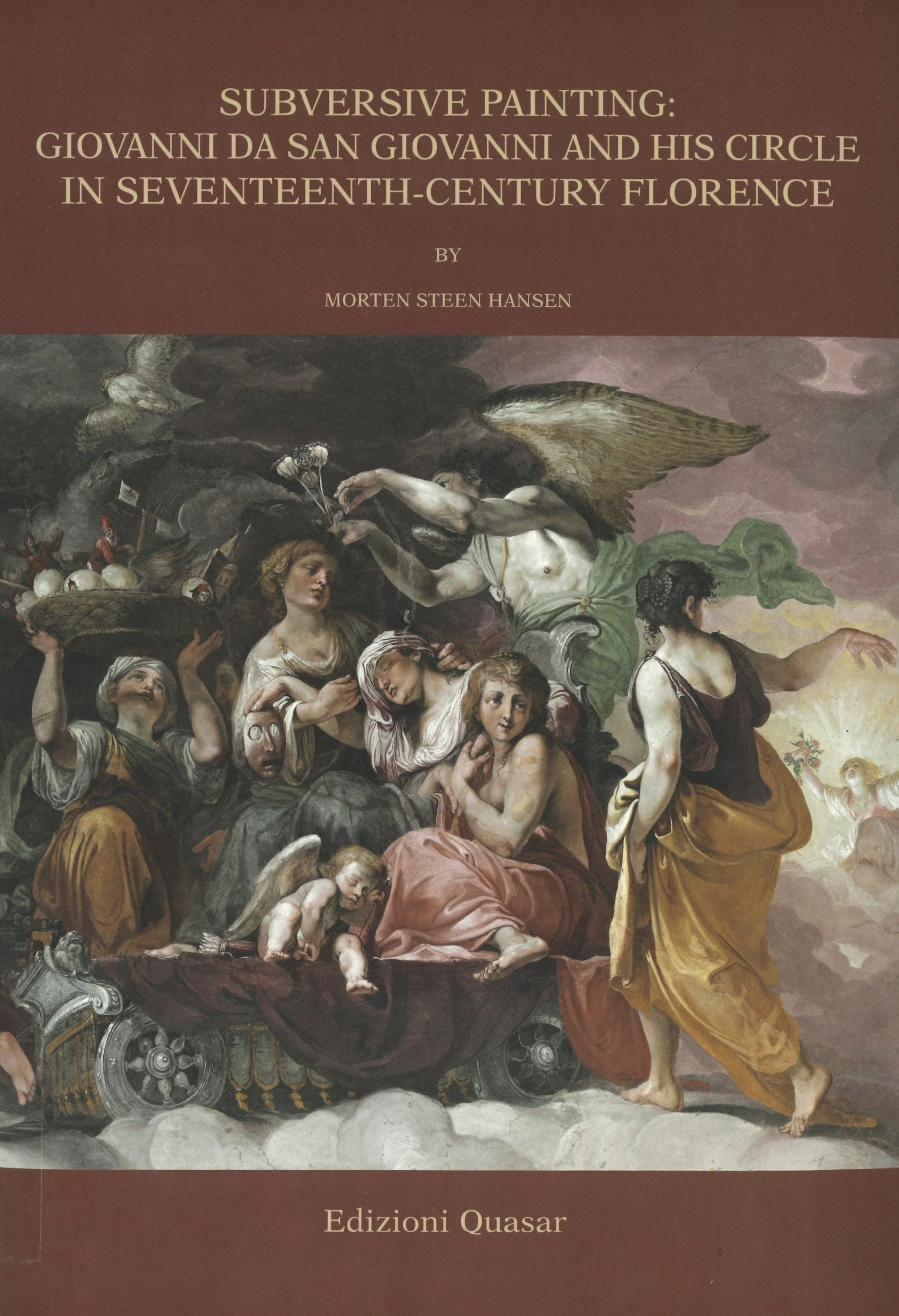
LIX Subversive Painting: Giovanni da San Giovanni and his Circle in Seventeenth-Century Florence
Forfatter: Morten Steen Hansen
Editor: Edizioni Quasar
Contents
Contents
List of illustrations, captions
Preface
Introduction
Chapter 1 Grand Duke/Grand Turk: Gender, Islam, and the Courtly Tone
Chapter 2 The Charity of Giovanni da San Giovanni
Chapter 3 From the Gospels to the Piovano Arlotto
Chapter 4 Idol, Abjection, and the Miraculous Image in San Biagio, Montepulciano
Chapter 5 Anti-Guido
Chapter 6 The Sala degli Argenti, I: The Satyr in the Allegory
Chapter 7 The Sala degli Argenti, II: Truth, Mirror, Painting
Chapter 8 The Sala degli Argenti, III: Ariosto and the Verso of Painting
Appendix 1
Appendix 2
Appendix 3
Appendix 4
Bibliography
Index
Review
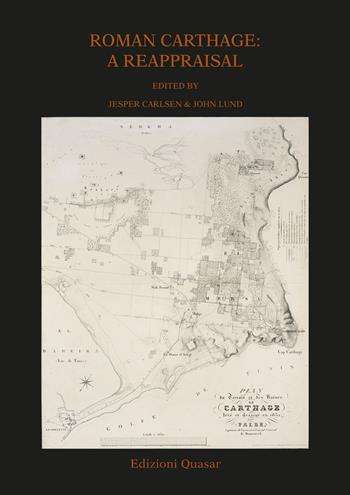
LVIII Roman Carthage. A Reappraisal
Author: Ed. Jesper Carlsen & John Lund
Editor: Edizioni Quasar
Contents
JESPER CARLSEN & JOHN LUND, Introduction: New Light on the Archaeology and History of Roman Carthage
SAMIR AOUNALLAH, Arnim MASTINO & PAOLA RUGGERI, Nuove ricerche sullapertica dei Cartaginesi: Uchi Maius, Thignica, Thugga
HAMDEN BEN ROMDHANE, GIOVANNI DI STEFANO, MAURIZIO PAOLETTI, INES BELLOUCHI, SLIM BECHRIFIA, DOMINIQUE MARIA DI CARO, STEFANIA FORNARO & LORENZO ZURLA, Cartagine. L'anfiteatro e quartieri nord-occidentali. Risultati preliminari di un nuovo progetto di ricerca
ANTONIO M. CORDA, La gerarchia ecclesiastica della Cartagine cristiana. Autorappresentazione e status sociale degli appartenenti agli ordini minori
HATEM DRISSI, Imperial Portraits of Carthage
JOANN FREED, Clues for Context in an Assembly of Roman Statues at Carthage
FABIOLA SALCEDO GARCES, RAQUEL RUBIO GONZALEZ & ESTEFANfA A. BENITO LAZAR°, Rome on Display. Images of Power and Conquest in Three Carthaginian Roman Monuments
JORGE GARCIA SANCHEZ, Carthage in the United States. The Divulgation of Carthaginian Archaeology and Punic and Roman Materials in North American Collections
CARINA HASENZAGL, Bir Massouda Site 2: A Case Study of Fifth - Seventh Century African Red Slip Ware
ANTONIO IBBA, Tribules in Carthage e nella sua pertica
ANNAPAOLA MOSCA, Cartagine La Malga ed altre aree urbane. Relazione fra impianto urbano e paesaggio
VINNIE NORSICOV, Ancient Carthage seen through the Eyes of a Danish Nurse: A Private Collection in a Danish University Collection
JOHN LUND, Seaside Cities on Roman Lamps from Africa Proconsularis and Italy
GIAMPIERO SCAFOGLIO, L'immagine di Cartagine sotto la dominazione vandalica nell'Anthologia Latina
CHARLOTTE SPENCE, The Curse Tablets of Carthage
Contributors
Review

LVII Water for Hadrian's Villa. A Survey for the Water Supply to the Imperial Villa
Author: Jørgen Martin Hansen
Editor: Edizioni Quasar
Contents
Prefazione, Zaccaria Mari
PART I
Preface
Acknowledgements
Introduction
Documentation
THE SOUTHERN VILLA Casale la Ferrata
AQVA FERRATA AND AQ1-AQ2
THE SURVEY SURPRISE The valley nymphaeum
AQ2 THE MILL-AQUEDUCT The watermill supplied from Aqua Ferrata
AQ3 THE PENNA AQUEDUCT
AQ4 THE SANZOGNI AQUEDUCT
AQ5 THE PIRANESI AQUEDUCT The enigmatic arches
AZIENDA AGRICOLA ROSATI Crossroad for pozzolana exposing aqueduct AQ5?
AZIENDA AGRICOLA ROSATI Possible introduction of a channel from Anio Novus (AN) to AQ5
Conclusion
Appendix Al ASPECTS OF ROMAN WATER SUPPLY Mixing waters in Roman aqueducts
Appendix A2 Sextus Julius Frontinus: De aquae ductu urbis Romae
Appendix A3 WATER STATISTICS
Appendix A4 PRESSURE PIPELINES (SIPHONS)
Appendix A5 GRADIENTS IN AQUEDUCT CHANNELS
Appendix B NICODEMUS AND THE CIRCITORES The Tivoli-supervisors of the Roman aqueducts
Maps
PART II
ANNE SOFIE HALSE, Ambulatio in Villa Adriana
Appendix: Characteristic examples of oblong, villa porticoes, presumed to be dedicated to the ambulatio
NIELS LYNNERUP, Lo scheletro nel pozzo The Skeleton in the well
MIKKEL WENDELBOE TOFT, Survey of water supply to Villa Adriana - GIS and GPS
Reports
REPORT 1 SURVEY OF THE WATER SUPPLY TO VILLA ADRIANA: FIXPOINTS INSIDE PUBLIC AREA OF VILLA ADRIANA
REPORT 2 SURVEY OF THE WATER SUPPLY TO VILLA ADRIANA: FIXPOINTS OUT-SIDE PUBLIC AREA OF VILLA ADRIANA
References & Bibliography
ANNE SOFIE HALSEt, Plates
Table of Figures
Review
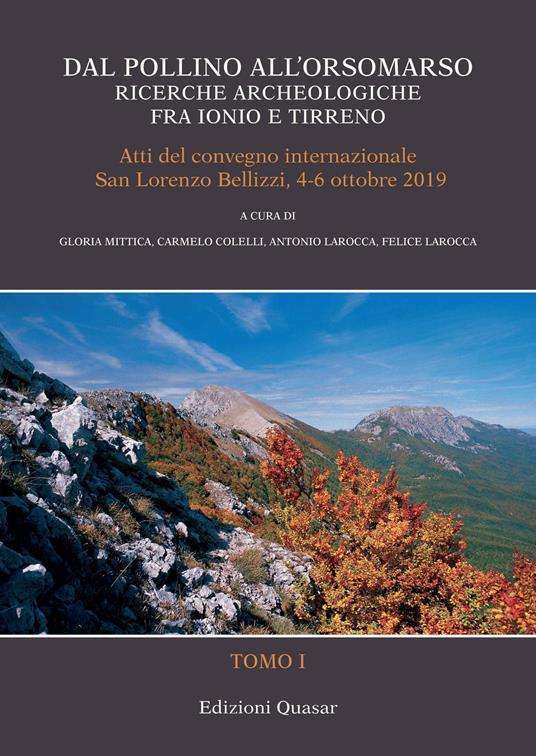
LVI Dal Pollino all'Orsomarso: Ricerche Archeologiche fra Ionio e Tirreno
Forfatter: Ed. Gloria Mittica, Carmelo Colelli, Antonio Larocca, Felice Larocca
Editor: Edizioni Quasar
Website: https://edizioniquasar.it/products/dal-pollino-allorsomarso?_pos=1&_sid=6098d274a&_ss=r
Contents
INDICE:
Antonio Cersosimo, Saluti istituzionali
Charlotte Bundgaard, Preface
Elena Calandra, Introduzione. Research for safety
Gloria Mittica, Carmelo Colelli, Antonio Larocca & Felice Larocca, Premessa
Section 1 - Prehistory
Fabio Martini & Domenico Lo Vetro, Grotta del Romito: evidenze archeologiche, ricostruzioni e ipotesi sulle orme del sacro
Elena Natali, Marisa Agrostelli, Flavio Feriozzi, Vincenza Forgia & Roberto Micheli, I livelli neolitici della Grotta San Michele di Saracena (CS)
Antonella Minelli, Alessandra Cinti & Felice Larocca, Una sepoltura preistorica nella Grotta di Pietra Sant'Angelo (San Lorenzo Bellizzi). Aspetti archeologici e antropologici
Delia Carloni & Marco Pacciarelli, Grotta del Tesauro (Sant'Agata di Esaro, Cosenza): un contesto archeologico con evidenze di attività minerarie preistoriche e storiche. Scavi 2011-2013
Rossella Schiavonea Scavello, Le grotte dal Pollino all'Orsomarso: una lettura dei dati di archivio
Section 2 - Protostoria
Salvatore Bianco, Antonio Affuso & Addolorata Preite, Gli Enotri della Basilicata sud-occidentale. L'evoluzione comparata del diadema copricapo di bronzo
Francesca Ippolito & Martin van Leusen, Il passaggio tra età del Bronzo e del Ferro nella Sibaritide interna: dati primari da Monte San Nicola (Civita, CS)
Claudia Gerling, Cèline Zaugg, Marta Imbach & Martin A. Guggisberg, Between “Local” and “Non-Local”. Basic Considerations and First Results of an Isotopic Mapping of the Sibaritide
Sezione 3 - Età greca e italica
Maria Cristina Capanna & Paolo Carafa Ai margini di Sibari. Paesaggi rurali dall'età della colonizzazione alla fine del mondo antico
Sine Grove Saxkjær,Considerations of the narrow-necked jugs from Amendolara and their cultural significance
Gloria Mittica, Rikke Christiansen, Jan Kindberg Jacobsen, Mikkel Westergaard Jørgensen, Giovanni Murro & Nicoletta Perrone, Area Aita di Timpone della Motta tra l'età del Ferro ed il periodo arcaico
Andrea Smeriglio, Gloria Mittica, Riccardo Barberi, Vincenzo Formoso, Raffaele Filosa, Giancarlo Niceforo, Simone Caputo & Raffaele Giuseppe Agostino, Indagini archeometriche per lo studio di reperti dal santuario arcaico di Francavilla Marittima (CS)
Joos Melander & Gloria Mittica, The import of Attic figure pottery to the chora of Sybaris. Preliminary results from the study of Attic black figure pottery from the Timpone della Motta, Francavilla Marittima
Neeltje Oome, The Hellenistic rural settlement system and its infrastructure in the Sibaritide
Elettra Civale, Le indagini in Valsinni, il sito fortificato lucano di Monte Coppolo (MT)
Section 4 - Età romana
Marco Sfacteria, Archeologia nella Valle del Mercure: nuovi dati sulla viabilità romana tra Basilicata meridionale e Calabria settentrionale
Section 5 - medioevo e post medioevo
Valentino Vitale, The Cistercian Ventrile grange (Chiaromonte, PZ). Archaeological investigation and phases of life between the 4th century BC and the 16th century AD
Domenico De Presbiteris, Siti fortificati dell'Alto Tirreno Cosentino: il caso di Sasso dei Greci a Buonvicino (CS)
Felice Larocca, The “Condotta Gallo”. Una nuova miniera di mineralizzazioni di ferro nel sito di Grotta della Monaca (Sant'Agata di Esaro, Cosenza)
Antonio Affuso & Addolorata Preite, Il sistema rupestre delle cantine-grotta nell'areale lucano del Pollino. Preliminary note
Wieke de Neef, Antonio Larocca & Peter Attema, Archaeology meets ethnography: mobility in the foothills and uplands of the Pollino range (Calabria) during the Bronze Age and Late Modern period
Biography dei curatori
Elenco autori
Review
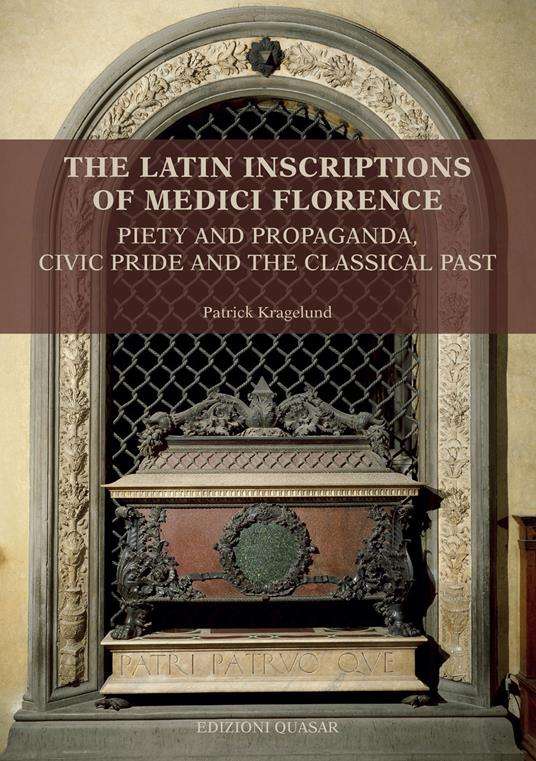
LV The Latin Inscriptions of Medici Florence: Piety and Propaganda, Civic Pride and the Classical Past. Texts, Translations and Commentaries
Author: Patrick Kragelund
Editor: Edizioni Quasar
Contents
Contents
Preface
A Note on Transcriptions and Abbreviations
- The Bridge, the River, the Mountains, and the Builders
- The Church, its Founders, and its Saints
- Chapels, Hospitals and Pious Donors
- The “Comune” and Republic
- “Illustrious Heroes, from Scripture and from Ancient Rome
- Civic Humanism in Public and Private Memorials
- The Advent of Medici Monarchy
- The Medici Comeback
- Cosimo de’ Medici, the Second Duke and first Grand Duke
- Cosimo's Successors
- The Cult of Art and Learning
- The Cult of Michelangelo
- Belated Honours for Galileo
Notes
Bibliography
Index of Places & People
Index of Ancient Authors
Indices of Inscriptions:
- Formal Aspects of Florentine Epigraphy
- Roman Inscriptions featuring in Early Syllogae, which influenced Florentine Epigraphy of the Fifteenth and Sixteenth Centuries
- Index of Roman Inscriptions quoted in this Book
Image Credits
Postscript
Review
G. Henning: “Philologist Patrick Kragelund has had the obviously good idea to collect, translate and republish Latin inscriptions from Florence. The result is a very beautiful and successful book.” Logos 2022/2, 75-76.
O. Merisalo: “The volume incontestably fills in a significant gap in the documentation available in English on late medieval and early modern Florentine epigraphy.” Bryn Mawr Classical Review 2022/9/1.
LIV Cultural Encounter and Identity in the Neo-Latin World
Author: Camilla Horster & Marianne Pade
Editor: Edizioni Quasar
Contents
CONTENTS
Preface
Translatio studii: imitation and transformations of Italian humanist culture
S. De Beer: Conrad Celtis's Visions of Rome Relocation, Contestation and Imitation of the Italian Renaissance in German HUmanism
A. den Haan: Sources, pools and runnels: The humanist reception of the Ordinary Gloss and Lyra's Postils
M. Pade: Melanchthon and Tucydides: The reception of the Peloponnesian War in a Reformation contesxt
T. Arlund Hass: Paying your Part: Bucolic Traditions and Positions in Hans Lauridsen Amerinus's Ecloga de pacis foedere (1573)
P. S. T. Styve: Renaissance Images of Multiple Temporalities
L. M. Andersen Funder: Meeting expectations and revealing aspirations: Ole Worm and the emergent genre of museums catalogues
Teaching and development of Humanist Latin
C. Marsico: Continuity and change in the Neo-Latin grammars of the European vernaculars (French, Castilian, German, and English)
M. Fink-Jensen: Education, Humanism, and the Reformation in Denmark
J. Ramminger: The Latin of the German Reformation and the Heritage of Quattrocento Humanism
C. Plesner Horster: Humanist Latin for a new purpose: The indication of indirect discourse from Italy to Denmark
Competing Nations
M. Laureys: Assessing the influence of Biondo Flavio's historical geography: the case of the Low Countries
K. Skovgaard-Petersen: Stephanius's Notæ uberiores in Historiam Danicam Saxonis Grammatici (1645): a humanist commentary on a medieval history of Denmark
P. Zeeberg: Collections of Latin inscriptions from the milieu around Henrich Rantzau
O. Merisalo: Urbes antiquissimaeRenaissance influences in descriptions of towns and cities of seventeenth-eighteenth-century Magnus Ducatus Finlandiee
Index
Contributors
Review
A. Grillone: “La miscellanea riesce attraverso i diversi contributi a raggiungere gli scopi che si proponeva: i saggi mostrano l'importanza (...) del “metadiscourse of Renaissance humanism” per la diffusione dell'Umanesimo stesso.” Bollettino di Studi Latini 2022/52/2, 848-853.
I. Walser-Bürgler: “This anthology is an aesthetically and substantively appealing publication that examines the continuity of Latin literature from antiquity to the early modern period.” Gnomon 2022/94/2, 122-126.
L. Claire: “The book provides readers with excellent contributions each accompanied by a dedicated bibliography.” Humanism and Renaissance Library 81/1, 173-175.
LIII Reflections: Harbour City Deathscapes in Roman Italy and beyond
Author: Niels Bargfeldt & Jane Hjarl Petersen
Editor: Edizioni Quasar
Contents
CONTENTS
Preface
Introduction
Contributors
D. Borbonus:Organised Collective Burial in the Port Cities of Roman Italy
E. Borgia: Foreigners from the Eastern Mediterranean at Ostia, Portus, and Puteoli in the Imperial Period: A reconsideration of the Matter through an Analysis of Funerary Inscriptions
D. Noy: Electa mihi domus est Ostia felix. The Burial and Commemoration of MIgrants at Ostia and Portus
S.L. Tuck: Harbours of Refuge. Post-Vesuvian Population Shifts in Italian Harbor Communities
V.M. Hope: Life at Sea, Death on Land. The Funerary Commemoration of the Sailors of Roman Misenum
N. Bargfeldt: Unnoticed Diversity in MIsenum: Revealing a Multifaceted Society in a Roman Harbour City
L. Hackworth Petersen: People and Gods in the Necropoleis of Pompeii. Isis in the Last Decade
J. Hjarl Petersen: Protecting Me Every Step of the Way. Dionysian Symbolism in the Burial Culture of Roman Ostia
M. Spanu: Working and Dying in the Harbour Cities of Roman Asia Minor. An Appraisal of the Funerary Inscriptions
J. Carlsen: Epitaphs and the Demography of the Imperial Slaves and Freedmen in Roman Carthage
J. Pearce & R. Redfern: Port Societies on Rome's Atlantic Facade. A Funerary Perspective
Review
LII The Orientalizing and Lucanian Tombs from Loc. De Sanctis I at Pontecagnano
Author: Margit von Mehren
Editor: Edizioni Quasar
Contents
CONTENTS
Foreword and Acknowledgements
Introduction
Part I: The Orientalizing material
1. Funerary ritual
2. Chronology
3 Catalogue of the Orientalizing material
Part II: The Lucanian material (4th to 3rd centuries BC)
4. Tombs and grave goods
5 Catalogue of the Lucanian material
Part III: Illustration
Bibliography
Review
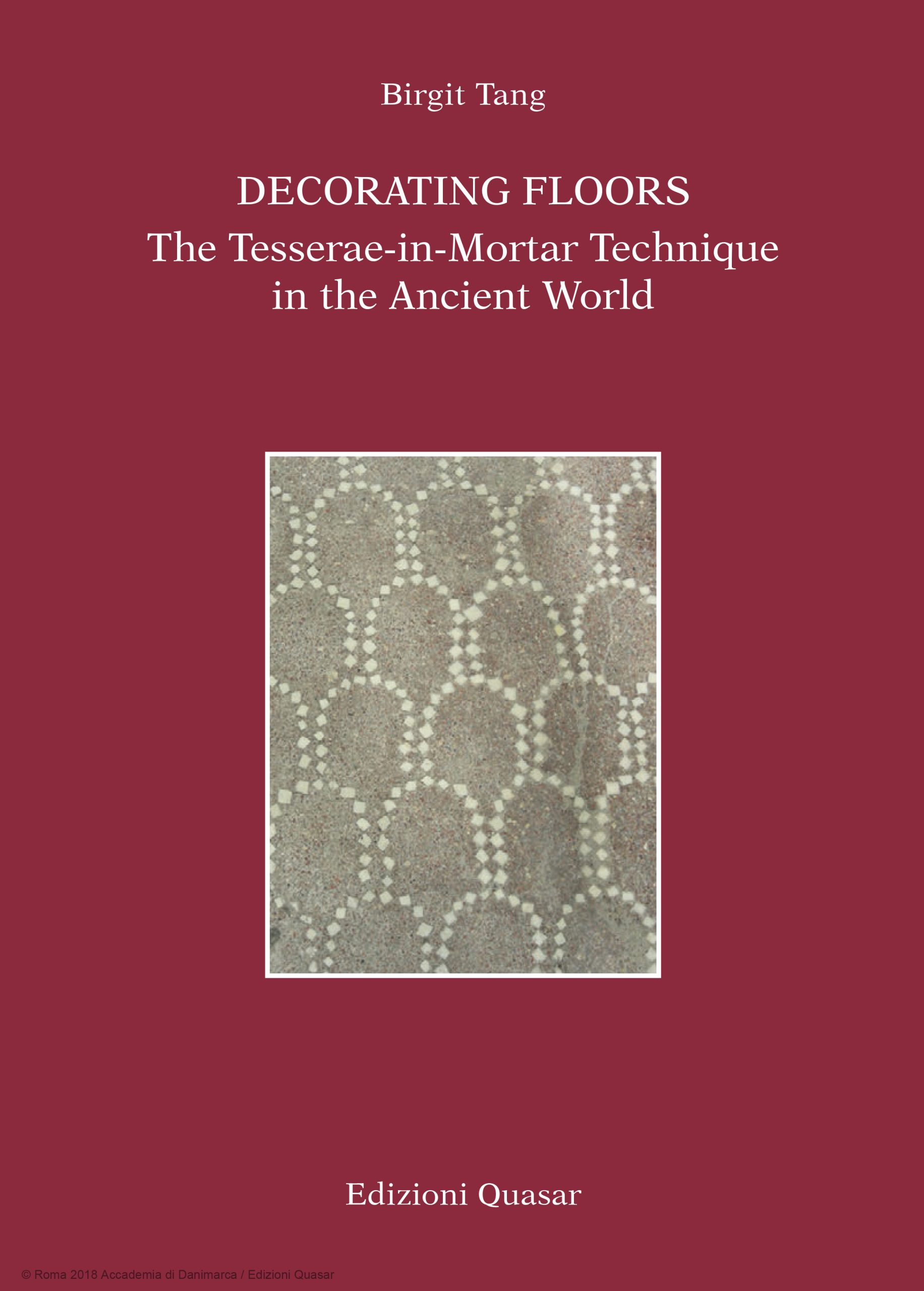
LI Decorating Floors. The Tesserae-in-Mortar Technique in the Ancient World
Forfatter:
Editor: Edizioni Quasar
Contents
CONTENTS
Acknowledgements
Ch.1 Introduction
Ch.2 Repertoire
Ch.3 Geographical Distribution
Ch.4 Patterns of Patterns
Ch.5 Origins and Early Development of the Tesserae-in-Mortar Technique (late 4th and 3rd century BC)
Conclusion
Abbreviations and Bibliography
Glossary of Floor Types and Elements
Key to Tables
Tables
Figures
Review
P. Liverani: “L'opera figurerà in bella evidenza nello scaffale di riferimento di chiunque affronti studi di architettura o topografia in area mediterranea.” Histara reports, Published online on 2020-10-19.
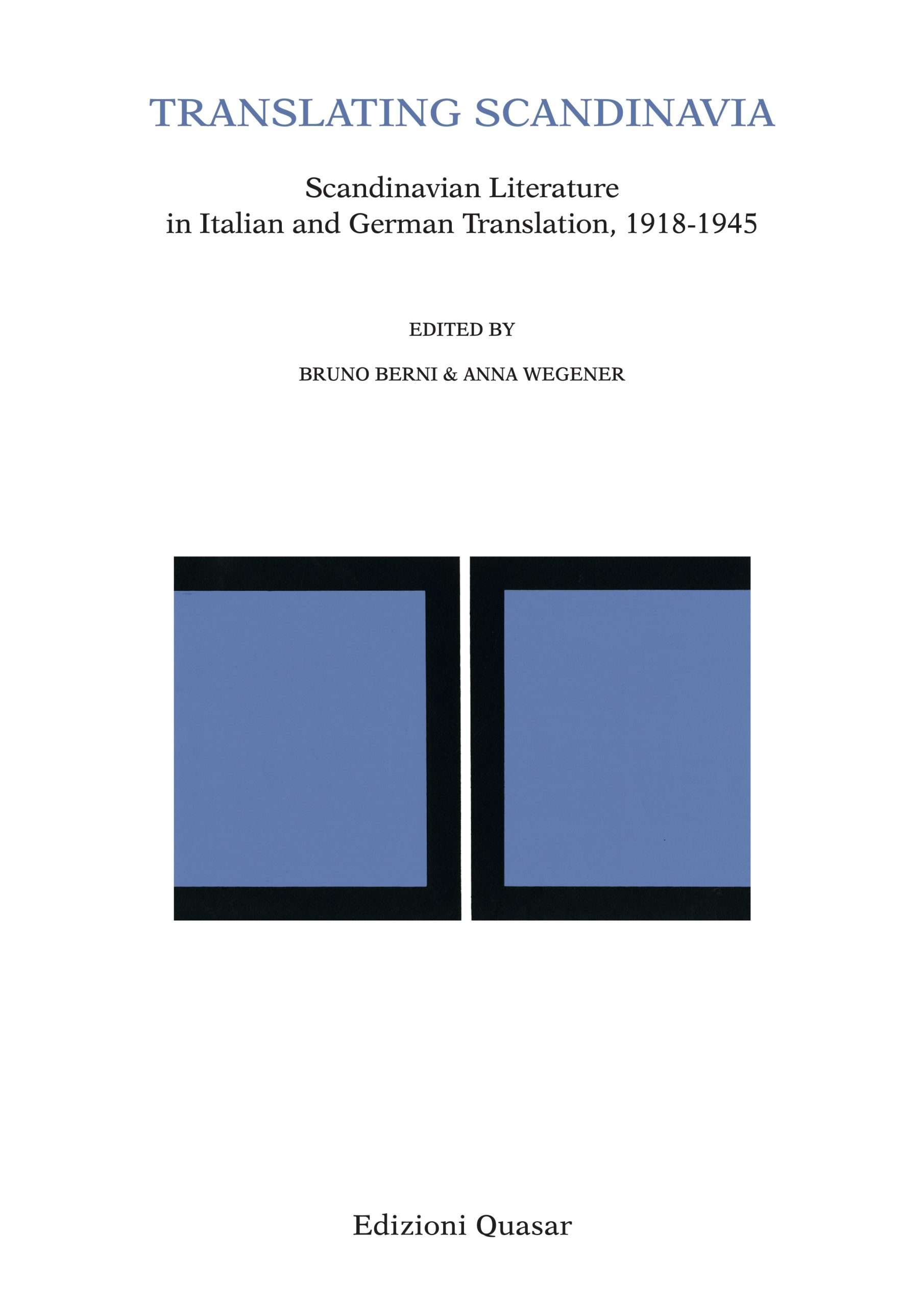
L Translating Scandinavia. Scandinavian Literature in Italian and German Translation, 1918-1945
Author: Bruno Berni & Anna Wegener
Editor: Edizioni Quasar
Contents
Review
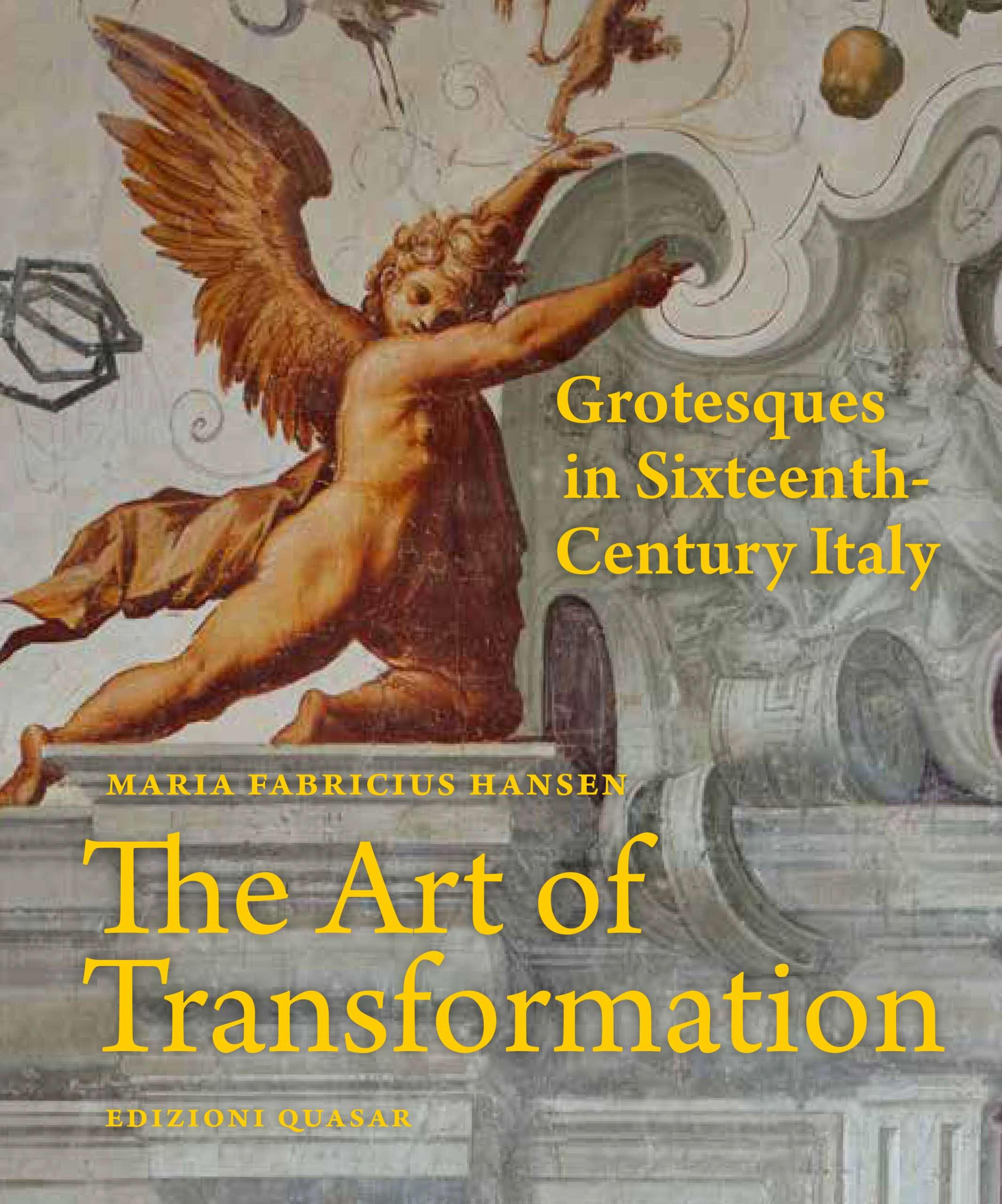
XLIX The Art of Transformation. Grotesques in Sixteenth-Century Italy
Author: Maria Fabricius Hansen
Editor: Edizioni Quasar
Contents
CONTENTS
Preface
Introduction
Brief Surveys
In the Grottoes
Traditions and Transformations
Nature and Art
Defining Art
Moving Images
Conclusions
Notes
Bibliography
Photo Credits
Index
Review
L. Morgan: “This extensively illustrated book analyses grotesques thematically, focusing on the concept of the artist and notions of artistic creation as well as relationships to traditions of Antiquity and the medieval period, art and nature, and movement and space.” Art Chronicle, July 2019/7, 361-368.
Y. Perrin: “Non-specialists will appreciate being guided in the discovery of a rather exceptional world, while specialists will find a wealth of information and material to enrich the scientific debate.” Histara - Reviews. Published online 2019-03-19.
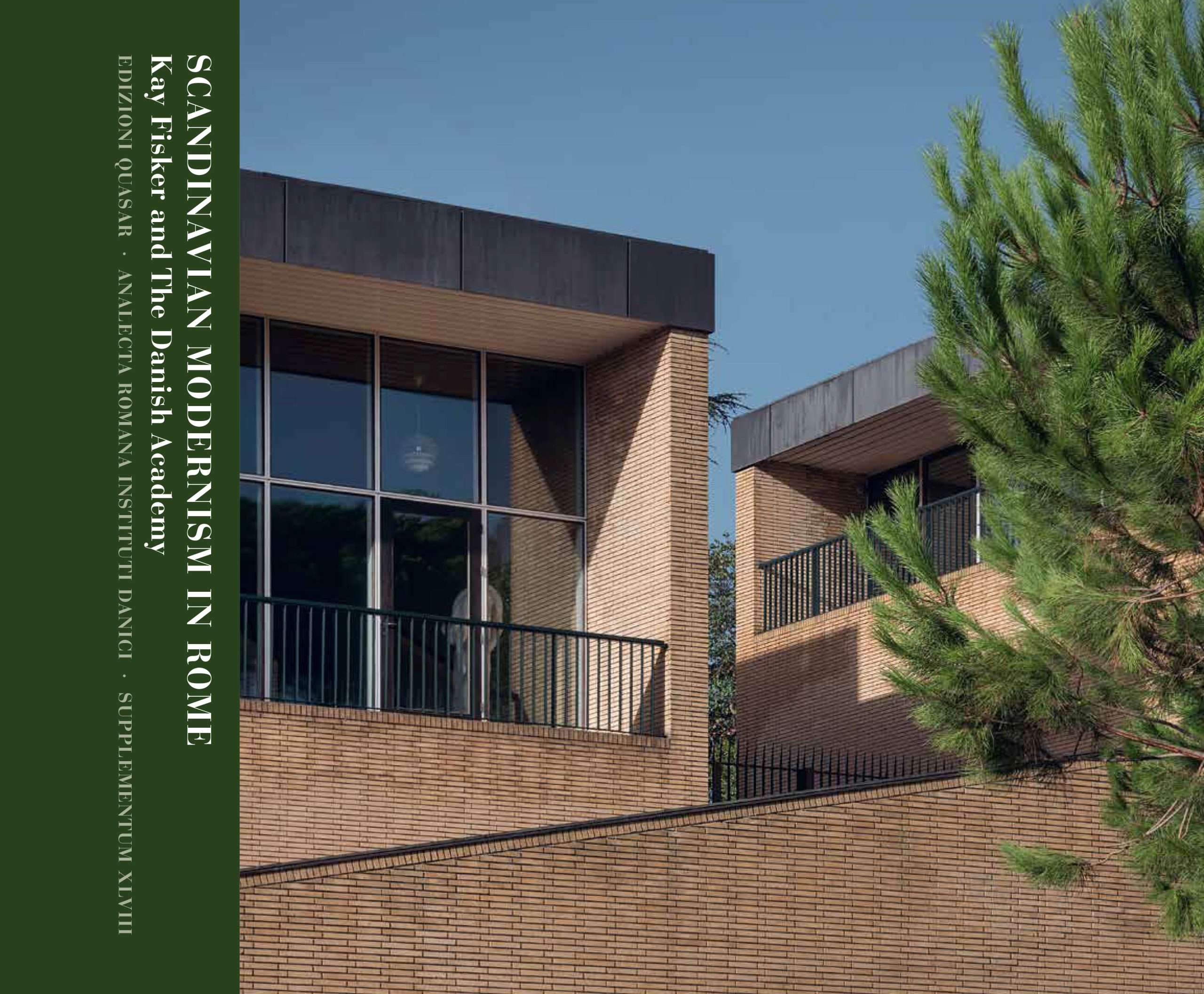
XLVIII Scandinavian Modernism in Rome. Kay Fisker and the Danish Academy
Author: Bente Lange & Marianne Pade. Photographs by Jens Markus Lindhe
Editor: Edizioni Quasar
Contents
CONTENTS
Prologue
Foreword
Why should Denmark have an Academy in Rome?
Why Fisker?
Who was Fsker?
How did Fisker build in Via Omero?
How do you restore an unfinished masterpiece?
Epilogue
Notes
List of Illustrations
Review
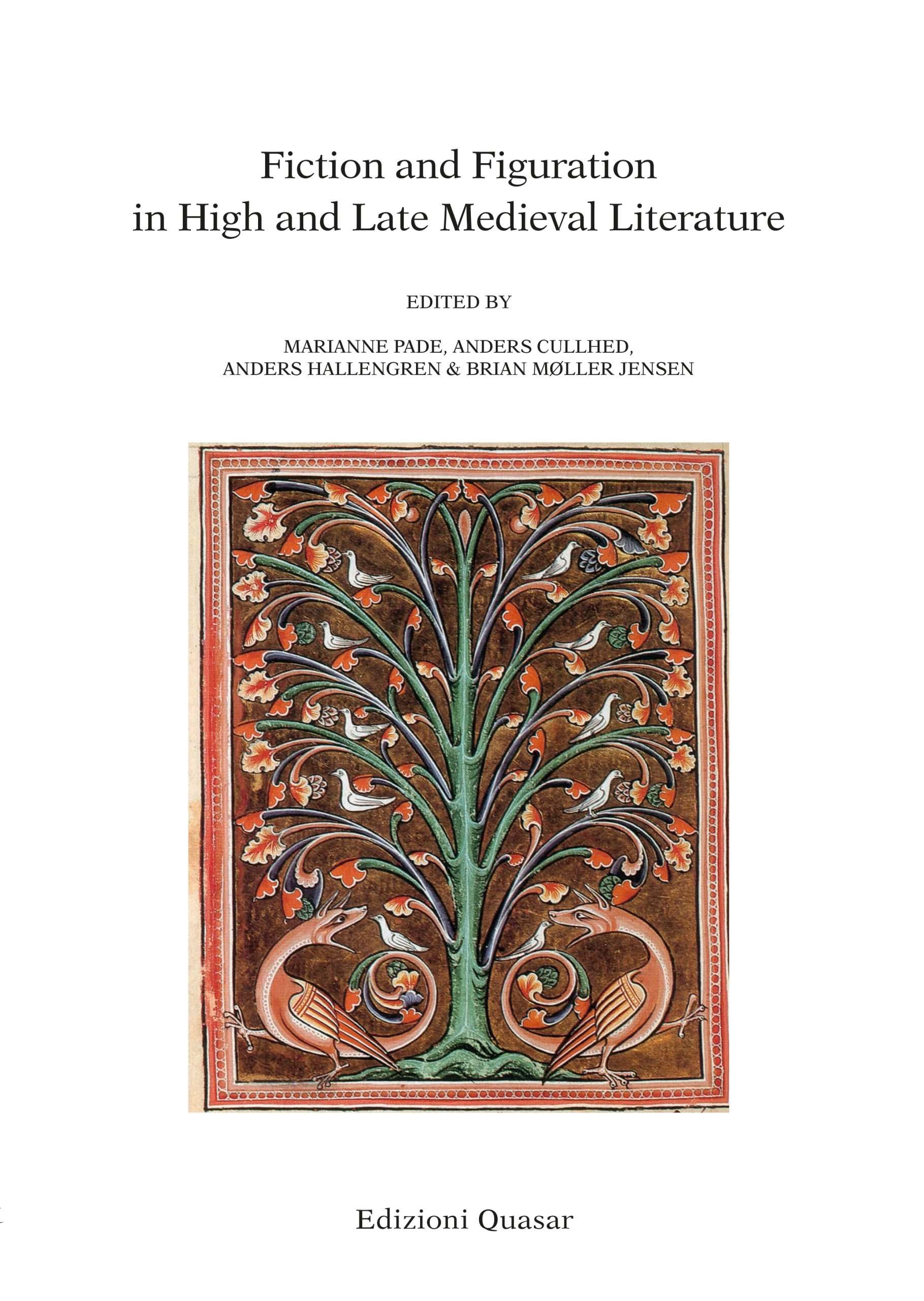
XLVII FICTION AND FIGURATION IN HIGH AND LATE MEDIEVAL LITERATURE
Author: Marianne Pade, Anders Cullhed, Anders Hallengren & Brian Møller Jensen
Editor: Edizioni Quasar
Contents
CONTENTS
Anders Cullhed, Editorial Note
Fiction from the High Middle Ages to the Renaissance
Jan Ziolkowski, Fiction in the Long Twelfth Century and Beyond: Birth, Renaissance, Both, or Neither
Raffaele Morabito, Boccaccio e l’abundantia cordis
Marianne Pade, Intertextuality as a Narrative Device. The Epistolographic Genre in the Renaissance
Theory of Fiction
Fritz Peter Knapp, Mimesis in medieval poetics
Win Veerbal, Getting Lost in Worlds: The Fiction of Literature (eleventh and twelfth century)
Paivi M. Mehtonen, Fiction Theory, Nominalist Mysticism and Medievalism
Texts
Giovanni Paolo Maggioni, Texts between History and Fiction in Medieval Hagiography
Brian Møller Jensen, Fables of Phaedrus Recycled in Medieval Latin Literature
Anders Cullhed, Imagination, Shadows, Dante
Anders Hallengren, Petrarch's Vindication of Poetic Imagination
Contributors
Review
M. B. Long: “A slim proceedings volume that retains the energy and intimacy of a small conference, this collection is lightly edited, retaining both spontaneity and some unevenness.” Renaissance Quarterly 2018/71/3, 1184-1185.
XLVI THE MEDIEVAL HORACE - Karsten Friis-Jensen
Author: Karin Margareta Fredborg, Minna Skafte Jensen, Marianne Pade, and Johan Ramminger
Editor: Edizioni Quasar
Contents
CONTENTS
Foreword
Preface
1. Horatius Liricus et Ethicus
2. The Ars Poetica in Twelfth-Century France
3. Addenda and Corrigenda to CIMAGL 60 1990 319-88
4. The Medieval Horace and his Lyrics
5. Horace and the Early Writers of Art of Poetry
6 Commentaries on Horace's Art of Poetry in the Incunable Period
7. Medieval Commentaries on Horace
8. Petrarch and the Medieval Horace
9. The Reception of Horace in the Middle Ages
10. Humanist Use of Medieval Commentaries on Horace's Art of Poetry
11. The St Gall accessory to the Odes of Horace
Bibliography
Index of manuscripts and incunables
Index of names
Review
J. G. Clark: “There is much of value here for medievalists and classicists and perhaps especially for those whose studies in medieval reception have, at least implicitly, tended towards claiming an Ovidian exceptionalism in the status and sustained influence of the Augustan auctor.” ExClass 2017/21, 329-330.
O. Thévenaz: “Conveniently collected in a single volume devoted to the reception of Horace” Museum Helveticum 2016/73/2 254-254.
R. Jakobi: “This volume brings together eleven essays in which the Copenhagen scholar, who died unexpectedly in 2012, has opened up a terra incognita of reception history for himself and future generations.” Middle Latin Yearbook 2016/51/1, 167.
F. Stella: “... l'apporto metodologico più rilevante è la dimostrazione della necessità di rintracciare ovunque possibile il manoscritto preciso che documenti la lettura e il reimpiego di Orazio in un autore medievale, come emerge in particolare per Petrarch.” Athenaeum 2021/109/1, 338-340.
XLV THE ROMAN REPUBLICAN TRIUMPH - Beyond the Spectacle
Author: Carsten Hjort Lange & Frederik Juliaan Vervaet
Editor: Edizioni Quasar
Contents
CONTENTS
C. H. Lange & F. J. Vervaet: Introduction
Triumphal Conventions
C. Lundgreen: Rules for Obtaining a Triumph - the triumphant juice once more
R. Westall: Triumph and Closure. Between History and Literature
C. J. Dart & F. J. Vervaet: Claiming Triumphs for Recovered Territories. Reflections on Valerius Maximus 2.8.4
The Middle Republic
C. H. LangeThe Triumph outside the City. Voices of Protest in teh Middle Republic
Mr Cadario: Preparing for Triumph. Graecae Artes as Roman Booty in L. Mummius’ Campaign (146 BC)
The Late Republic
J. Carlsen: Notes on Cn. Domitius Ahenobarbus’ Victory and Triumph over the Arverni
J. M. Madsen: The Loser's Prize: Roman Triumphs and Political Strategies during the Mithridatic Wars
F. J. Vervaet: “Si neque leges mores cogunt”. Beyond the Spectacle of Pompey Magnus’ Public Triumphs
J. Osgood: Julius Caesar and Spanish Triumph-Hunting
Civil War and Triumph
W. Havener: A Ritual Against the Rule? The Representation of Civil War Victory in the Late Republican Triumph
I. Östenberg: Triumph and Spectacle. Victory Celebrations in the Late Republican Civil Wars
The Roman Republican Triumph
J. Rich: The Triumph in the Roman Republic. Frequency, Fluctuaction and Policy
Review
P. Burton: “Although I question the editors’ premise that the uniquely Roman ritual of the triumph indicates that the Romans suffered from a ‘victory disease’ to an exceptional degree within the Mediterranean system they inhabited (...), they have compiled an interesting, thought-provoking suite of papers.” The Journal of Roman Studies 2017/107, 352-354.
J. H. Clark: “Although each of the twelve chapters can stand alone, the introduction frames the whole as a series of interrelated case studies in response to recent approaches to the Roman triumph and ancient military history more broadly.” The Classical Review 2017/67/1, 172-174.
F. K. Drogula: “The diversity of topics makes this book particularly interesting and engaging, and there is a great deal that will interest historians of all periods of Republican Rome.” Bryn Mawr Classical Review, 2016/03/40.
C. Reitzenstein-Ronning: “Overall, the contributions offer a worthwhile read with plausible interpretations and a consistently high standard.” Historical magazine 2017/305, 498-500.
T. Shahin: “The dimensions of the unwieldy book format alone (about A4) could make it physically difficult to include the anthology on some shelves with collections on the Roman Republic: However, if the possibility exists, an extension of the shelf height is worthwhile.” Latomus 2017/76/3, 861-863.
XLIV L'ITALIA IN EUROPA. ITALIA E DANIMARCA - Atti del Convegno in occasione del 150° anniversario dell'Unità d'Italia. Accademia di Danimarca, Roma 7-8 aprile 2011
Author: A cura di Gert Sørensen e Maria Adelaide Zocchi
Editor: Edizioni Quasar
Contents
Saluto del Direttore dell'Accademia di Danimarca Erik Bach
Speech by the President of the Republic Giorgio Napolitano
Prefazione di Gert Sørensen
L'Italia in Europe
Francesco Barbagallo: Nazione, Stato, Costituzione in Italia dall'Unità alla Repubblica
Biancamaria Bruno: Communicazione tra le lingue, comunicazioni tra le culture
Francesco M. Biscione: Lo storicismo moderno italiano tra cultura e politica
Italia e Danimarca
Gert Sørensen: Il Grand Tour. L'Italia nella formazione culturale di un’ élite intellettuale danese dalla fine del Settecento alla metà del Novecento
Kristina Junge Jørgensen: Federico IV - Viaggio in Italia
Bent Holm: L'identità comica. Il ruolo dell'italianità di Holberg e della danesizzazione di Goldoni nella formazione di un teatro nazionale danese
Anna Maria Segala: L’Odin Theatre tra Italia e Danimarca
Hanne Jansen: L'Italia in Danimarca vista dall'ottica delle traduzioni
Anna Wegener: I bambini italiani lettori dei libri di Bibi by Karin Michaelis
Bruno Berni: Traduzioni italiane di letteratura danese. A panorama
Jørgen Stender Clausen: Georg Brandes and Garibaldi
Paolo Borioni: Moralismo elitista e distorsioni populiste. Per una era comparazione storico-scientifica
Gli autori
Review
XLIII IL VALDEMARO. DRAMMA PER MUSICA (1726) - Domenico Sarro (1679-1744)
Author: Edizione critica a cura di Knud Arne Jürgensen.
Editor: Edizioni Quasar
Contents
SOMMARIO
Introduction
The fonti
Contenuto e comparazione tra le due partiture per il Valdemaro
Criteri editoriali
Abbreviazion
Apparato critico
Bibliografia
Illustrazioni
Il libretto (in facsimile)
Music score
Atto I
Atto II
Atto III
Appendix I
Appendix II
Appendix III
Appendix IV
Appendix V
Review
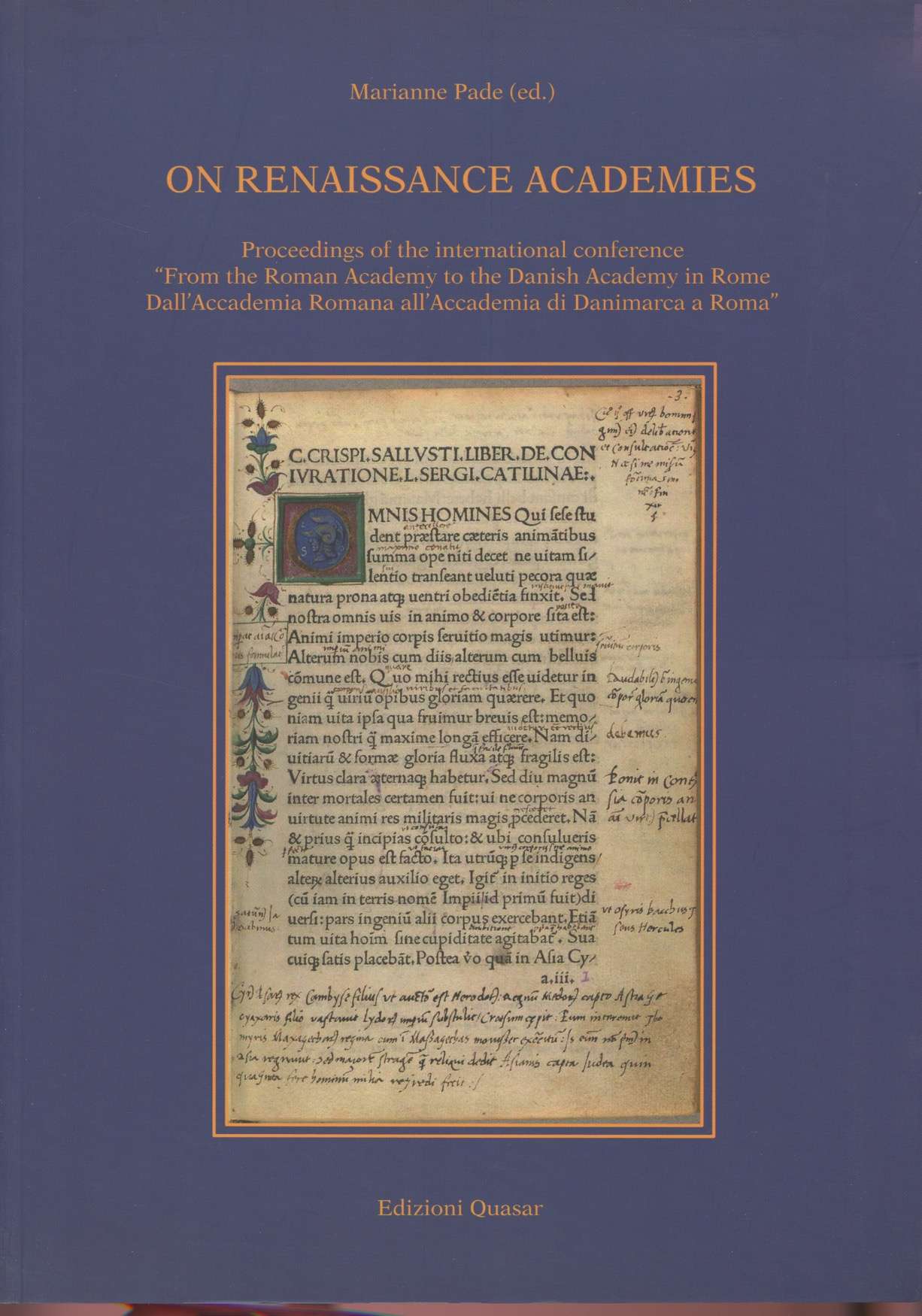

XLII ON RENAISSANCE ACADEMIES. Proceedings of the international conference "From the Roman Academy to the Danish Academy in Rome - Dall'Accademia Romana all'Accademia di Danimarca a Roma". The Danish Academy in Rome, 11-13 October 2006.
Author: Marianne Pade
Editor: Edizioni Quasar
Contents
Introduction
I: Rome as Academy
Karsten Friis-Jensen: Petrarch, the city of Rome and the Capital
Per Øhrgaard: Goethe in Rome
II: Italian Renaissance Academies
James Hankins: Humanist Academies and the “Platonic Academy of Florence”
Concetta Bianca: Le accademie a Roma nel Quattrocento
John Monfasani: Two Fifteenth-Century “Platonic Academies”: Bessarion’s and Ficino’s
Fabio Stok: Perotti and the Accademia romana
Patricia Osmond: Lectiones Sallustianae. Pomponio Leto's Annotations on Sallust: A Commentary for the Academy?
Marianne Pade: Lectiones Sallustianae. The 1490 Sallust Annotations, the Presentation Copy
Julia Gaisser: The Mirror of Humanism: Self Reflection in the Roman Academy
Ingrid D. Rowland: Raphael and the Roman Academy
III: Danish Renaissance Academies
Marita Ackhøj Nielsen: Dignæ certè hæ nostræ Ripæ in notitiam veniant externorum. Renaissance culture in Ribe
Peter Zeeberg: Tycho Brahe's Uraniborg. Research Centre and Aristocratic Residence
Karen Skovgaard-Petersen: A Danish Equestrian Academy - the Academy of Sorø 1623-1665
Review
E. Nuti: “L'elegante volume, molto ben curato da M. P. raduna diversi pregevoli contributi raggruppati in tre macro-sezioni, rispettivamente dedicate al rapporto dell'intellettuale con Roma, alle forme e funzioni dell'Accademia Romana del pieno Rinascimento e a caratteristiche e significati delle esperienze delle varie accademie danesi di secondo Cinquecento e primo Seicento.” MEG 2013/13, 279-281.
D. Porreca: “In sum, at its best, this volume presents valuable reassessments of previous scholarship relating to Renaissance academies, as well as calling attention to some details of the philological analysis current in Pomponio Leto's group in Rome. Elsewhere, however, this book offers a somewhat incohesive snapshot of materials only tangentially or analogously relating to the core of the volume”. Sixteenth Century Journal 2014/45/1, 247-248.
B. Stenuit: “Humanist circles spread in Italy in the second half of the 15th century; since they took Antiquity as a model, academia designates them, in competition with other terms, as sodalitas (litteratorum), but academia can refer to a studium.” Latomus 2014/73/3, 864-864.
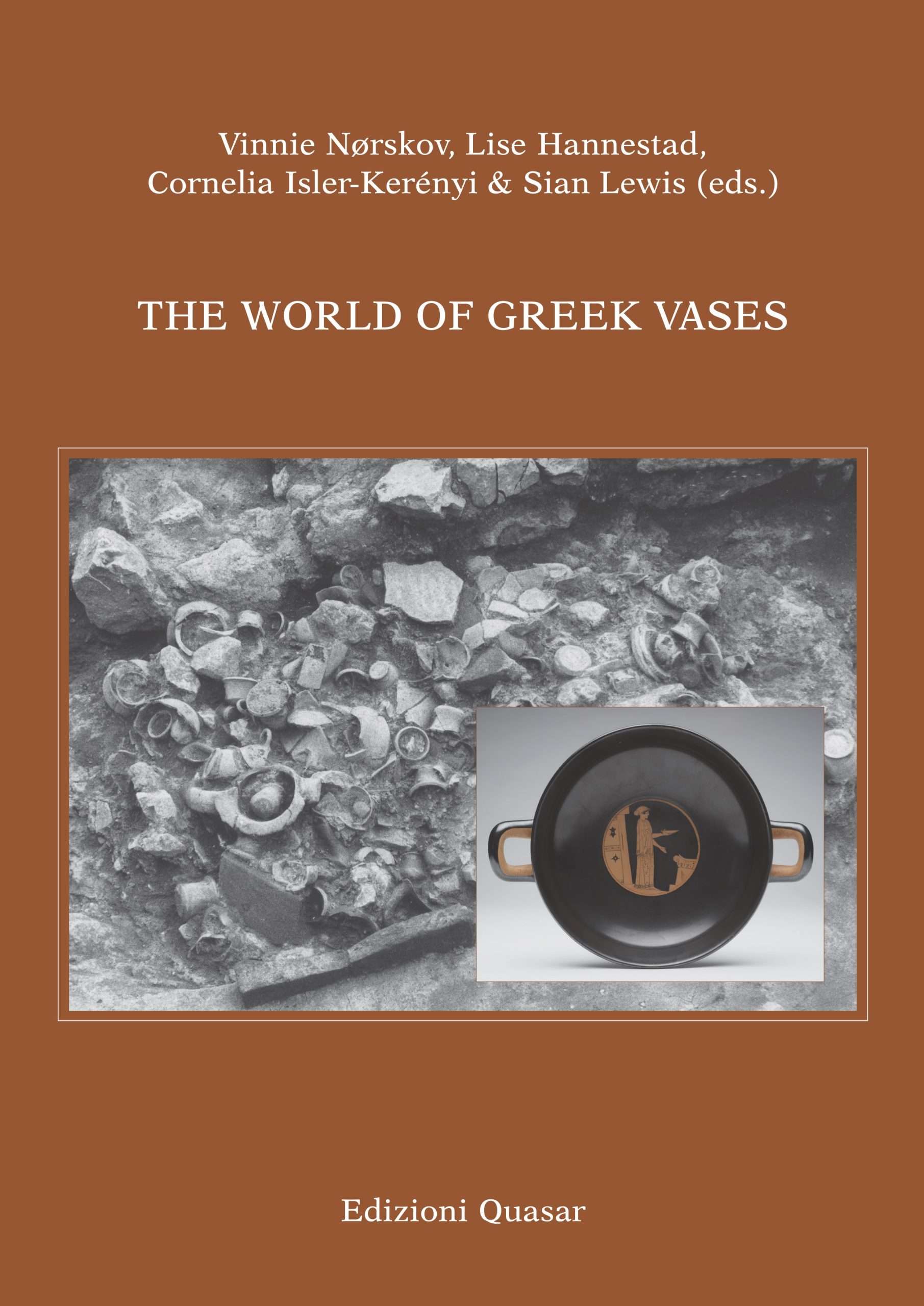
XLI THE WORLD OF GREEK VASES
Author: Vinnie Nørskov, Lise Hannestad, Cornelia Isler-Kerényi & Sian Lewis (Ed.)
Editor: Edizioni Quasar
Contents
Contents
Cornelia Isler-Kerènyi: The Study of Figured Pottery Today
Vladimir Stissi: Does Function Follow Form? Archais Greek Pottery in its Find Contexts: Uses and Meanings
Dimitri Paleothodoros: Archaeological Context Iconographic Analysis: Case Studies from Greece and Etruria
Vinnie Nørskov: The Affairs of Lucien Bonaparte and the Impact on the Study of Greek Vases
Vincenzo Bellelli: Etrusco-Corinthian Notes. A Class of Pottery and its Socio-Economic Context in Two Centuries of Scholarship
Gunnel Ekroth: Why (not) Paint an Altar? A Study of Where, When and Why Altars appear on Attic Red-figure Vases
Eleni Hatzivassiliou: Warriors at a Mound: A Puzzle Scene by Theseus and Athena Painters
Sian Lewis: Athletics on Attic Pottery: Export and Imagery
Cathrine Morgan: Imports on the Dining Table? The Function of Attic Pottery in the Bosphoran Kingdom
Diego Elia: Research Perspectives in the Study of South Italian Vase-painting: the case of Red-figure Pottery from Locri Epizephyrii
Erich Kistler: The Encoding and Decoding of Satyr-symposiasts at Vases in Archaic and Classical Athens
Ricard Theodore Neer: The Incontinence of Civic Authority:Pictorial Iambos in Athenian Vase-painting
Stefan Schmidt: Images of Statues on Attic Vases: The Case of the Tyrannicides
Review
G. Grousset: “Combined with a sober and airy layout, the good quality of the illustrations, numerous but generally in black and white, contribute to making this book a very pleasant read.” Latomus 2012/71/2, 607-610.
XL Religion and Society. Rituals, Resources and Identity in the Ancient Graeco-Roman World. The BOMOS-Conferences 2002-2005
Author: A.Holm Rasmussen & S. William Rasmussen
Editor: Edizioni Quasar
Contents
Part I: Ritual and Cult
J. Podemann Sørensen: A Theory of Ritual
J.A. North: Acting and Ritual in Roman Historians: or how Horatius held the door post
S.William Rasmussen: Ritual and Identity: a Sociological Perspective on the Expiation of Public Portens in Ancient Rome
J.F. Miller: Poets at the Palatine Temple of Apollo
I. Gradel: Ritual, Death, and Divinity: Titulature in Imperial Epitaphs
In Mæhle: Female Cult in the Struggle of the Orders
A.Holm Rasmussen: Priest and Ritual in Ancient Greek Cult
L. Briut Zaidman: Rites and myths in ancient Greece. In the footsteps of Pausanias
V. Rosenberger: Gifts and Oracles: Aspects of Religious Communication
K. Rørby Kristensen: The “Ritual” of Legislation: Some Preliminary Refections on the Interaction of Law and Religion in Ancient Crete
Part II: Resources and Manpower
B. Forsén: Resources and Manpower Needed for Constructing Greek Temples - Reflections Stemming from an Arcadian SanctuaryK. Buraselis:Priesthoods for Sale. Comments on Ideological and Financial Aspects of the Sale of Priesthoods in the Greek Cities of the Hellenistic and Roman Periods
A. Holm Rasmussen: Priests and Liturgies
J. Wallenstein: Resources for Manpower. Magistrates' Dedications to Aphrodite
S. William Rasmussen: Sacred Sex as a Resource? Ritual Prostitution and Roman Religion
C. Kvium: The Ownership and Sacred Things. Observations on Sacred, public and Private Property in the Late Roman Republic and Early Empire
Part III: Religion and Identity
S. Price: Memory in Ancient GreeceL. Bruit Zaidman: The notion of archaism and the construction of religious identity in the ancient Greek world
J.A. Krasilnikoff: Pan, Attica and religious Innovation from the Persian Wars to the end of the Fourth Century BC
R. Parker: The Cults of Sub-Groups and Identity in the Greek WorldK. Buraselis:Woven into the Peplos. Aspects of the Combination of Ruler Cult with Elements of the Traditional Polis Identity in the Hellenistic World
V. Rosenberger: Panhellenic, Athenian, and Local Identities in the Marble Parium?
J. Whitley: Identity and sacred Topography: The Sanctuaries of Praisos in Eastern Crete
B. Forsén: Sacred Topography and Identity in Arcadia
S.William Rasmussen: Priests, Politics and Problems in Identity Construction in Ancient Rome
C. Kvium: Identifying Identities - Some Thought about gentes and gentiles in Archaic Rome
J.M. Rosenløv: Pious Philosophers. Cosmologies and religious Identities
J.E. Skydsgaard: Caesar's Horse - A Note
Review
A. D. Pizzi: “Even more, there is good reason to think that any scholar interested in Greek or Roman religion or society will find interest in this collection, not all of whose contributions are equally convincing, but all of which are thought-provoking.” Classical Antiquity 2011/80, 351-354.
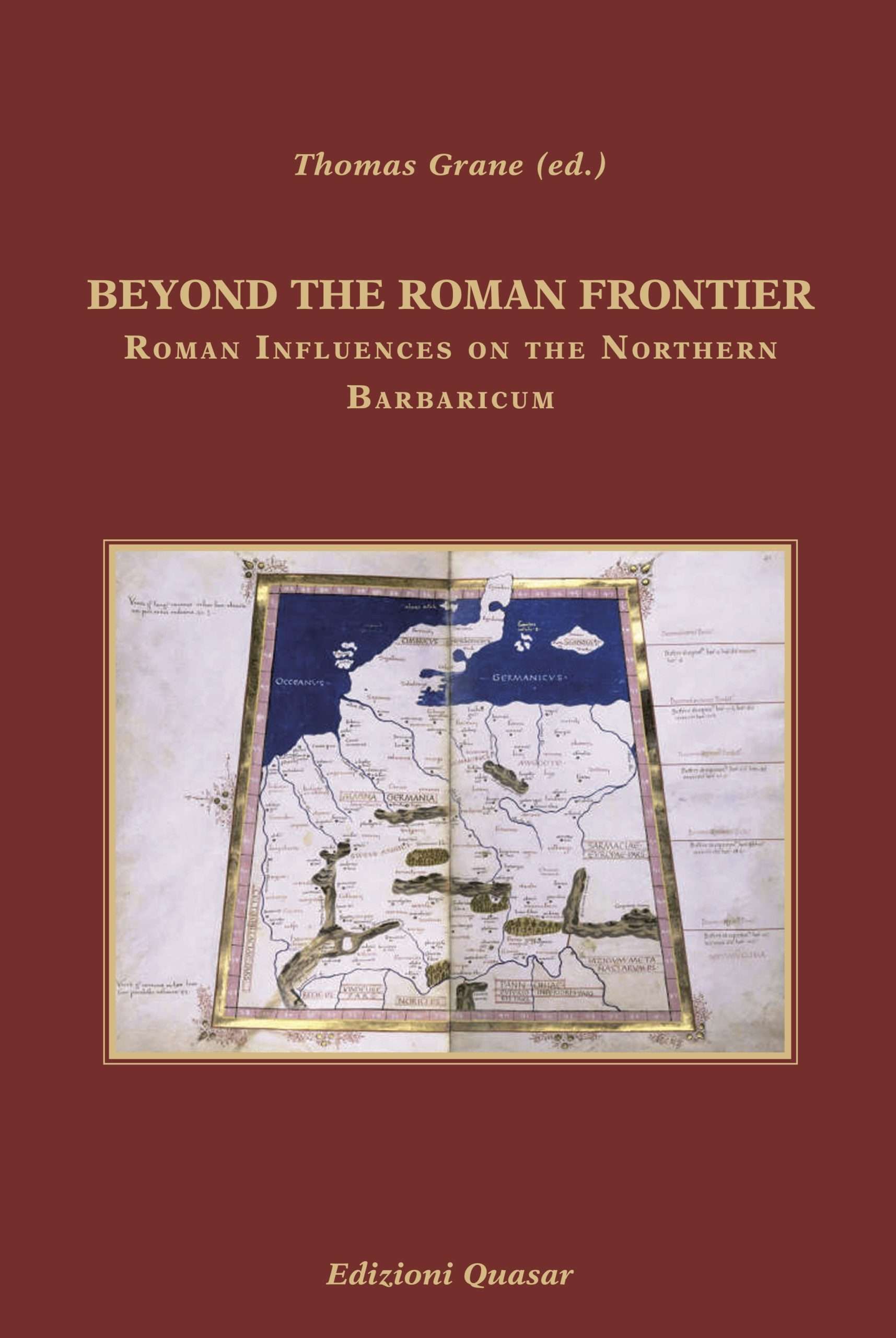
XXXIX BEYOND THE ROMAN FRONTIER - Roman Influences on the Roman Barbaricum
Author: Thomas Grane
Editor: Edizioni Quasar
Contents
Contents
T. Grane: Did the Romans Really Know (or Care) about Southern Scandinavia? An Archaeological Perspective
L.M. Imer: Greek and Latin Inscriptions in the Northern Barbaricum
L.M.-B. Højbjerg Bjerg: Roman Coins - Evidence of Possible Nodal Points?
M. Drevs Dyhrfield-Johnsen: Roman Ideological Influences
T. Grane: Southern Scandinavia Foederati and Auxiliary?
U. Lund Hansen: Barbarians in the North - The Greatest Concentration of Roman Weaponry in Europe
X. Pauli Jensen: Preliminary Remarks on Roman Military Equipment from the War Booty Sacrifice of Vimose, Denmark
KS. White: Reconstruction of the Northern Germanic Armies AD 200
X. Pauli Jensen: The Use of Archers in the Northern Germanic Armies. Evidence from the Danish War Booty Sacrifices
S.E. Albrethsen: Logistic Problems in Northern European Iron Age Warfare
Review
P. Trousset: “In this beautiful volume, Thomas Grane has collected 10 studies on the general theme of the relations between the Roman Empire and the peoples of Northern Europe, well beyond the Limes area, since it deals with Scandinavia and mainly Denmark.” Latomus 2010/69/1, 279-280.
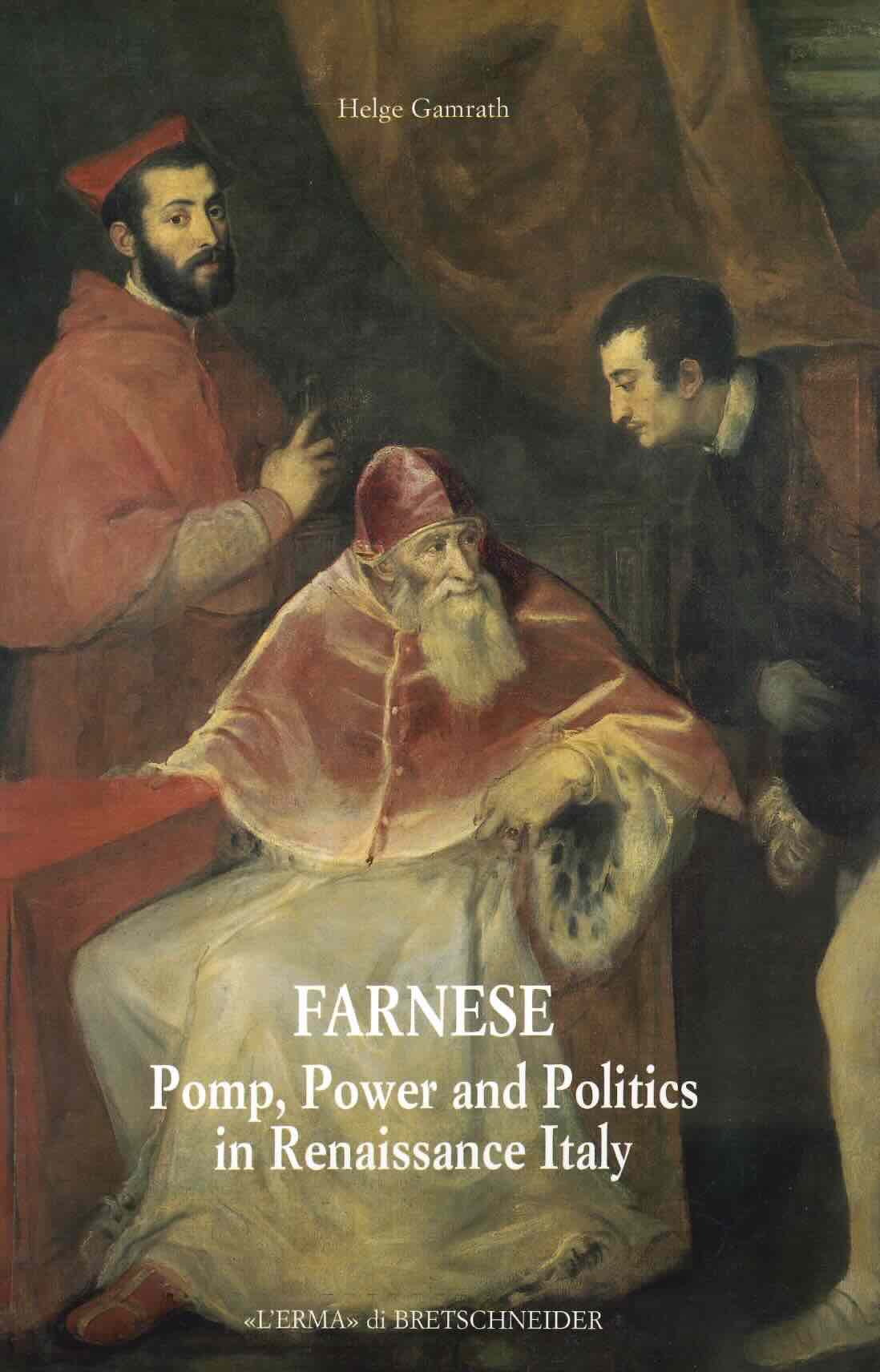
XXXVIII FARNESE - Pomp, Power and Politics in Renaissance Italy
Author: Helge Gamrath
Editor: L'Erma di Bretschneider
Contents
Contents
I Introduction: Objective, Concepts, method and Literature.
II The general Italian Historical Background
III The Manifestation of Power. Magnificenza, Renaissance and Humanism
IV The History and the Farnese Family until 1534
V The Manifestation and Incipient Magnificenza of the Farnese Family: Isola Bisentina, “Farneseland” and the Palazzo Farnese in Rome (until 1534)
VI The Farnese Family in International Politics. Paul III, the Papal States and Nepotism (1534-1558)
VII The Manifestation and Magnificenza of the Farnese Family (1534-1558)
VIII The Duchies of Parma and Piacenza Restablished and Consolidated (1558-1630)
IX State and Ducal Magnificenza 1558-1630: Palace Building and Town Planning at Piacenza and Parma, in Caprarola and Rome
X The farneses and the other Italian Princely Houses
XI Summing up and Conclusion
XII Epilogue: The Farnese Dynasty after 1630
Review
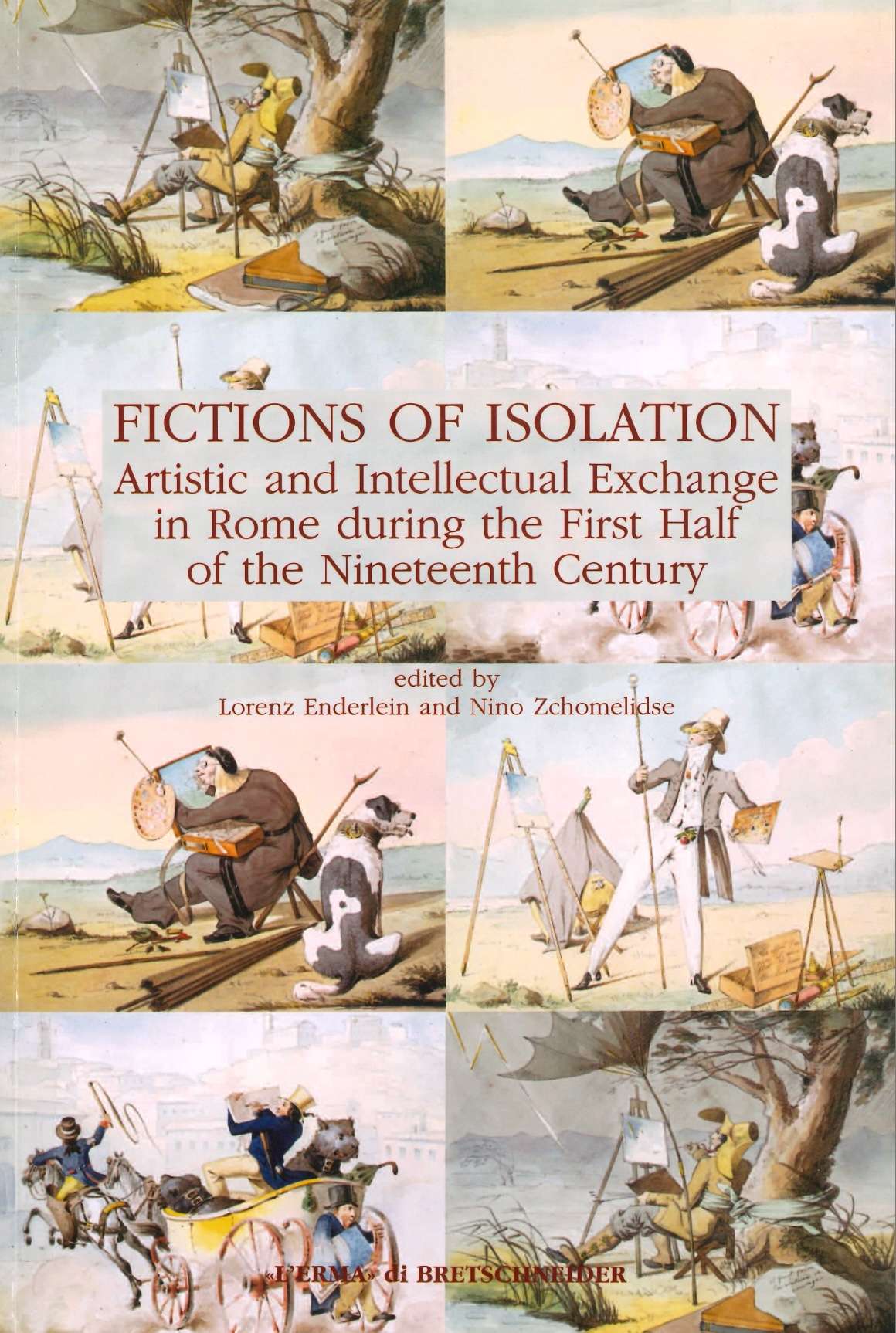
XXXVII FICTIONS OF ISOLATION - Artistuc and Intellectual Exchange in Rome during the First Half of the Nineteenth Century
Author: Lorenz Enderlein and Nino Zchomelidse
Editor: L'Erma di Bretschneider
Contents
Contents
L. Enderlein & N. Zchomelidse: Preface
P. Schiera: La “maesta” internazionale di Roma tra motivi letterari e politica della scienza
S.A. Meyer: Le mostre in campidoglio durante il periodo napoleonico
G. Izzi: Giuseppe Melchiorri dall'antiquaria alla storia
E.M. Bukdahl: The Franch and German Debate on “Allegory” in the 18th Century
M.B. Frank: Ingres and the Nazarenes
M. Thimann: The difficult birth of an image theologian
L. Enderlein: “Like the thread in a rich floral tapestry”
S. Fastert: Hippolyte Flandrin and the renewal of Christian imagery
A. Windholz: The Salone Rosso at the Spanish Priest College of Santa Maria di Monserrato
E. Fiorentini: Scambio di Vedute
N. Zchomelidse: Land in the distance
L. Enderlein & N. Zchomelidse: “Dear Professor”
M. Bøgh: Last in Rome
Review
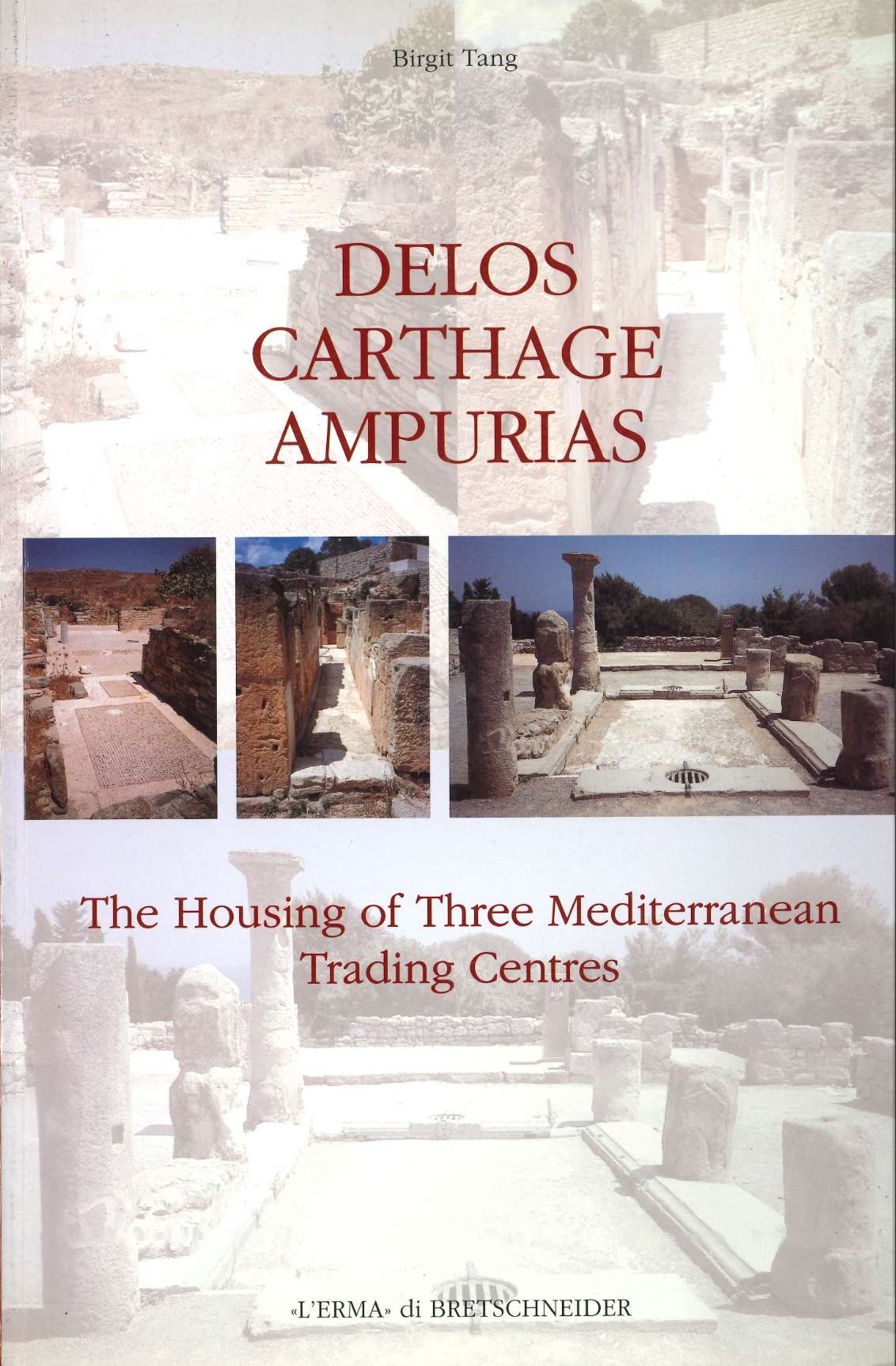
XXXVI DELOS, CARTHAGE, AMPURIAS - The Housing of Three Mediterranean Centres
Author: Birgit Tang
Editor: L'Erma di Bretschneider
Contents
1. introduction
2. Delos. The Sacred Isalnd of the East
3. Carthage. The Punic Metropolis
4. Ampurias. The Western Colony
5. The Mediterranean Context
6 Conclusion
Review
È. Gran-Aymerich: “Cet ouvrage apporte une très utile contribution à l’histoire des sciences humaines et des disciplines artistiques dont Rome a été le berceau.” Latomus 2008/67/4, 1152-1152.
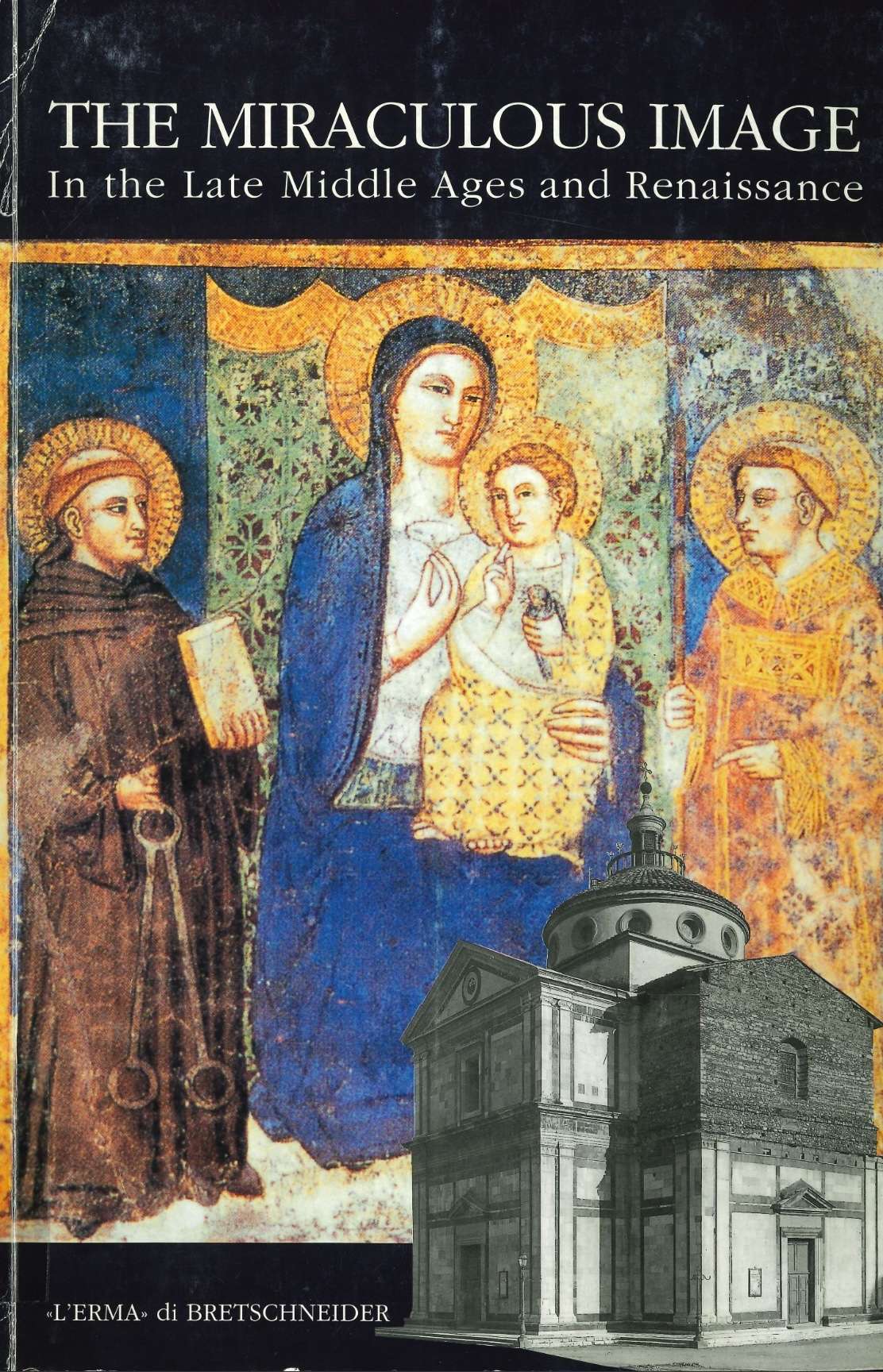
XXXV THE MIRACULOUS IMAGE IN THE LATE MIDDLE AGES AND RENAISSANCE
Author: Erik Thunø and Gerhard Wolf
Editor: L'Erma di Bretschneider
Contents
E. Thunø & G. Wolf: Preface
A. Vauchez: Introduction
R. C. Trexler: Being and Non-Being. Parameters of the Micaculous in the Traditional Religious Image
E. Thunø: The Miraculous Image and the Centralized Church. Santa Maria della Consolacione in Todi
P. Davies: The Lighting of Pilgrimage Shrines in Renaissance Italy
R. Maniura: The Images and Miracles of Santa Maria delle Carceri
M. Holmes: The Elusive Origins of the Cult of the Annunziata in Florence
G. Barone: Immagini miracolose a Roma alla fine del medio Evo
B. Kempers: The Pope's two Bodies. Julius II, Raphael and Saint Luke's Vergin of Santa Maria del Popolo
B. Wipe: Keys to Success. Propriety and Promotion of Miraculous Images by Roman Confraternities
M. Steen Hansen: Parmigianino and the Defence of a Miraculous Image
J. Garnett and Gervase Rosett: Translations of the Miraculous. Cult Images and Their Representations in Early Modern Liguria
M. Bacci: Portolano sacro. Santuari e immagini sacre lungo le rotte di navigazione del mediterraneo tra tardo Medioevo e prima età moderna
S. Verdi Webster: Shameless Beauty and Worldly Splendour: On the Spanish Practice of Adorning the Virgin
A. Lidov: The Flying Hodegetria. The Miraculous Icon as Bearer of Sacred Space
G. Wolf: Le immagini nel Quattrocento tra miracolo e magia. Per una “iconologia” rifondata
Review
D. C. Ahl: “Thoroughly researched and adequately illustrated in black-and-white, the papers in this volume have significant implications for our understanding of Renaissance art, history, and spirituality.” Renaissance Quarterly 2006/59/3, 869-870.
XXXIV PUBLIC PORTENTS IN REPUBLICAN ROME
Author: Susanne William Rasmussen
Editor: L'Erma di Bretschneider
Contents
CONTENTS
ACKNOWLEDGEMENTS
INTRODUCTION
I. SOURCES AND APPROACHES
II. TYPES OF PORTENTS AND PRIESTHOODS
III. CICERO AND PUBLIC DIVINATION
IV. DIVINATION AS SCIENCE
V. PUBLIC PORTENTS AND AGER ROMANUS VERSUS AGER PEREGRINUS
VI. PUBLIC PORTENTS. RELIGIO-POLITICS, AND THE CONSTRUCTION OF ROMAN IDENTITY
CONCLUSION
DANISH SUMMARY
BIBLIOGRAPHY
ILLUSTRATIONS AND MAPS
MAPS GENERAL INDEX
Review
N. Boëls-Janssen: “Despite appearances, S. William Rasmussen's study is ultimately positive in that it rehabilitates the fundamental value of divination in the Roman city.” Latomus 2008/67/2, 507-510.
F. v. Haeperen: “The very strong link between the institutionalisation of divination and public omens on the one hand and the political organisation of the Roman Republic on the other is well demonstrated.” Classical Antiquity 2005/74, 419-420.
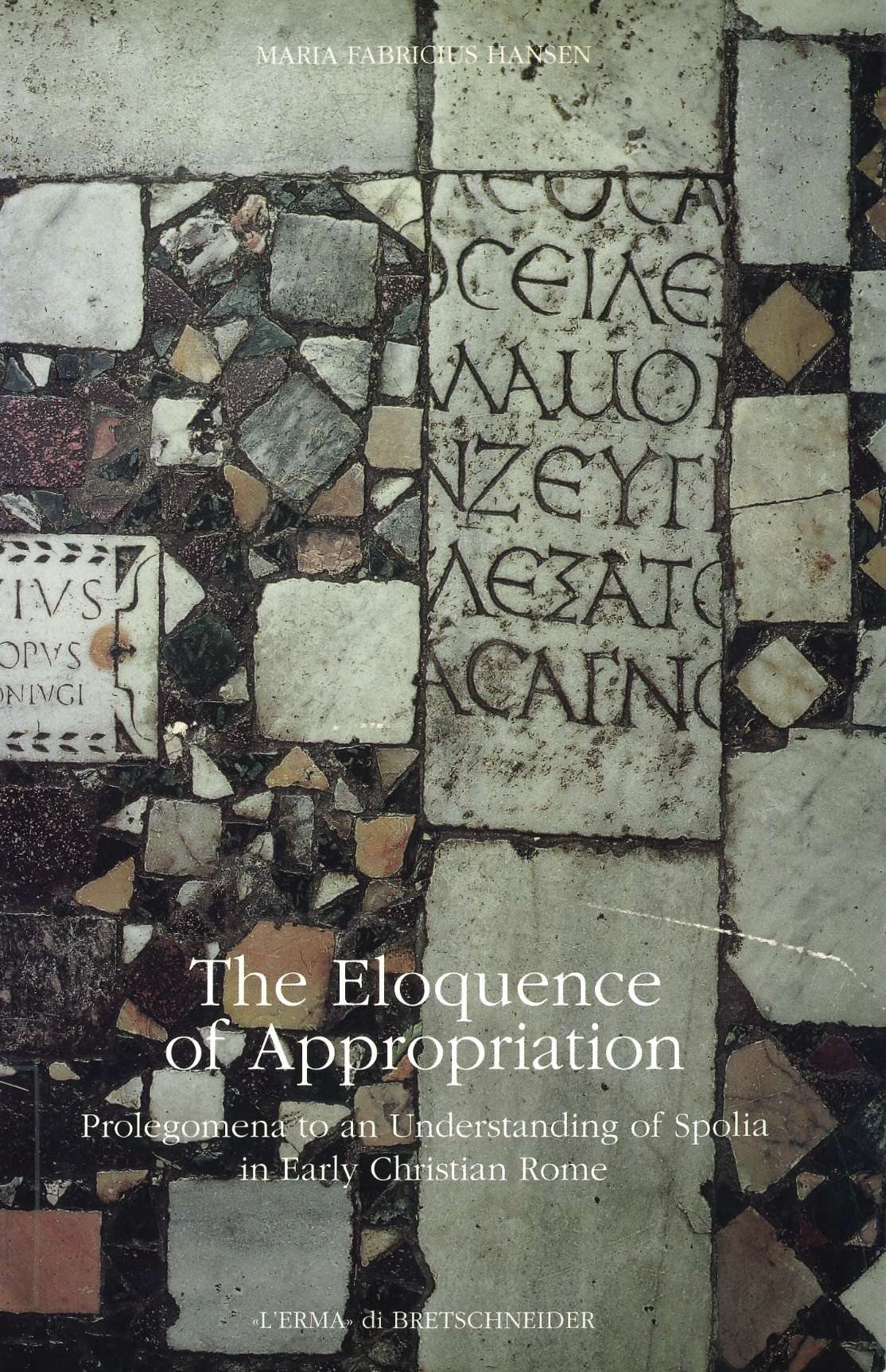
XXXIII THE ELOQUENCE OF APPROPRIATION - Prolegomena to an Understanding of Spolia in Early Christian Rome.
Author: Maria Fabricius Hansen
Editor: L'Erma di Bretschneider
Contents
CONTENTS
I. INTRODUCTION
II. TRANSLATION OF MATERIALS
III. TRANSLATIO OF MEANINGS
IV. TRANSLATIO OF TIME
Bibliography
List of Illustrations
Photo Credits
Index
Review
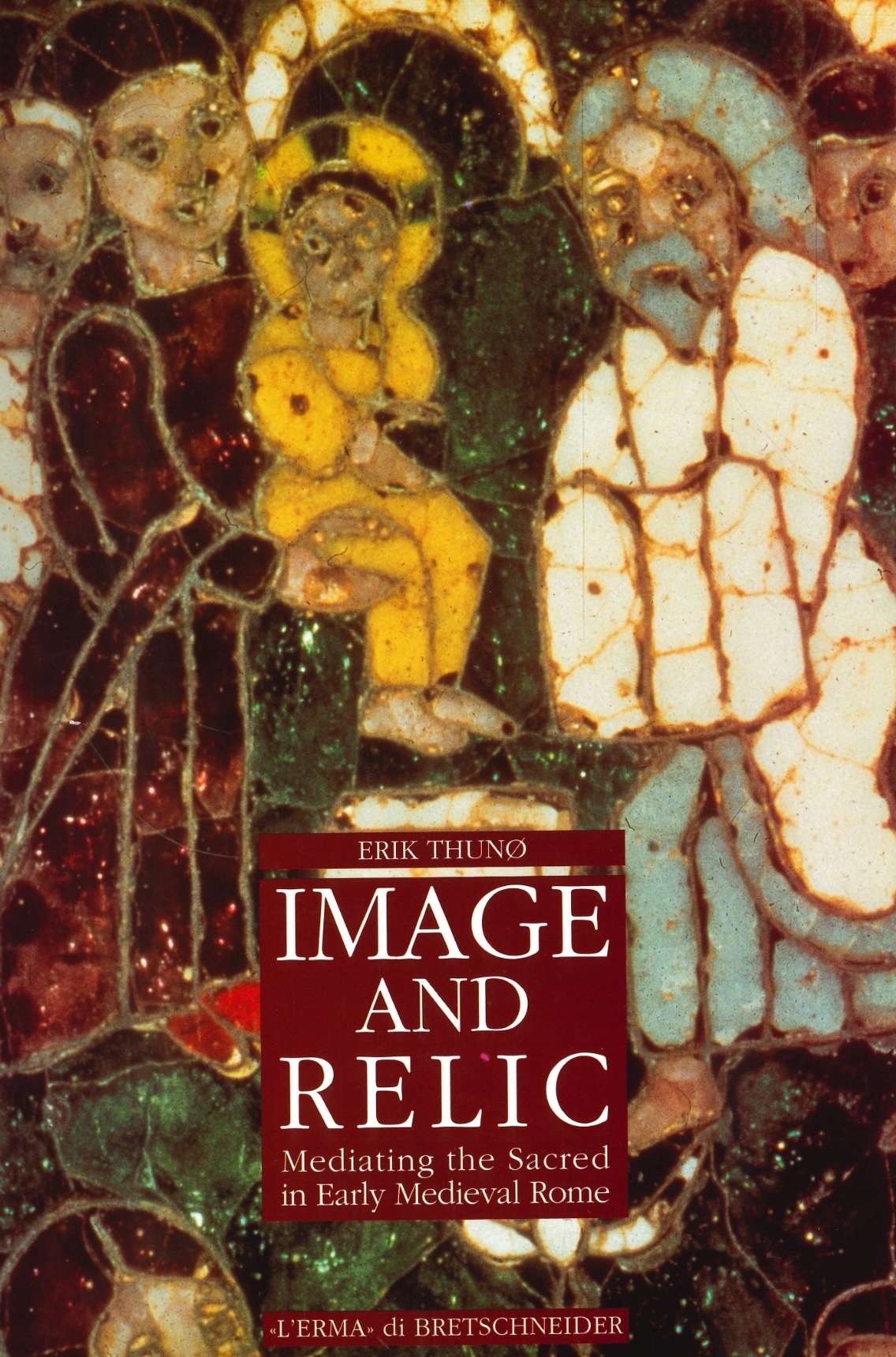
XXXII IMAGE AND RELIC - Mediating the Sacred in Early Medieval Rome
Author: Erik Thunø
Editor: L'Erma di Bretschneider
Contents
CONTENTS
ACKNOWLEDGEMENTS
LIST OF ABBREVIATIONS
INTRODUCTION: IMAGE AND RELIC
1. THE SANCTA SANCTORUM OBJECTS
2. THE ENAMELLED CROSS
3. THE RECTANGULAR CASKET
4. THE CRUCIFORM CASKET
5. PICTORIAL ECLECTISM AND PROGRAMMATIC UNITY
6. MEDIATING THE SACRED AND THE CONSTRUCTION OF A PAPAL IMAGE THEORY
7. POPE PASCAL I AND THE AUTHORIZATION OF THE PAPACY AS MEDIATOR OF THE SACRED
BIBLIOGRAPHY
INDEX
LIST OF ILLUSTRATIONS
COLOUR PLATES
FIGURES
PHOTO CREDITS
Review
J. Janssens: “L'autore dimostra una conoscenza accurata dei monumenti, che in un modo ο l'altro possono aver avuto un influsso sulle immagini, raffigurate su i reliquiari di Papa Pasquale I. La sua analisi di monumenti e testi è precisa e le sue ipotesi sono ben documentate.” Gregorianum 2004/85/2, 407-408.
Mr Rassart-Debergh: “The book is the result of the author's research for his doctoral thesis defended in Baltimore at John Hopkins University in 1999 - the study describes in detail three objects from the Sancta Sanctorum, commissioned by Pope Pascal I (817-824).” Latomus 2010/69/4, 1194-1195.
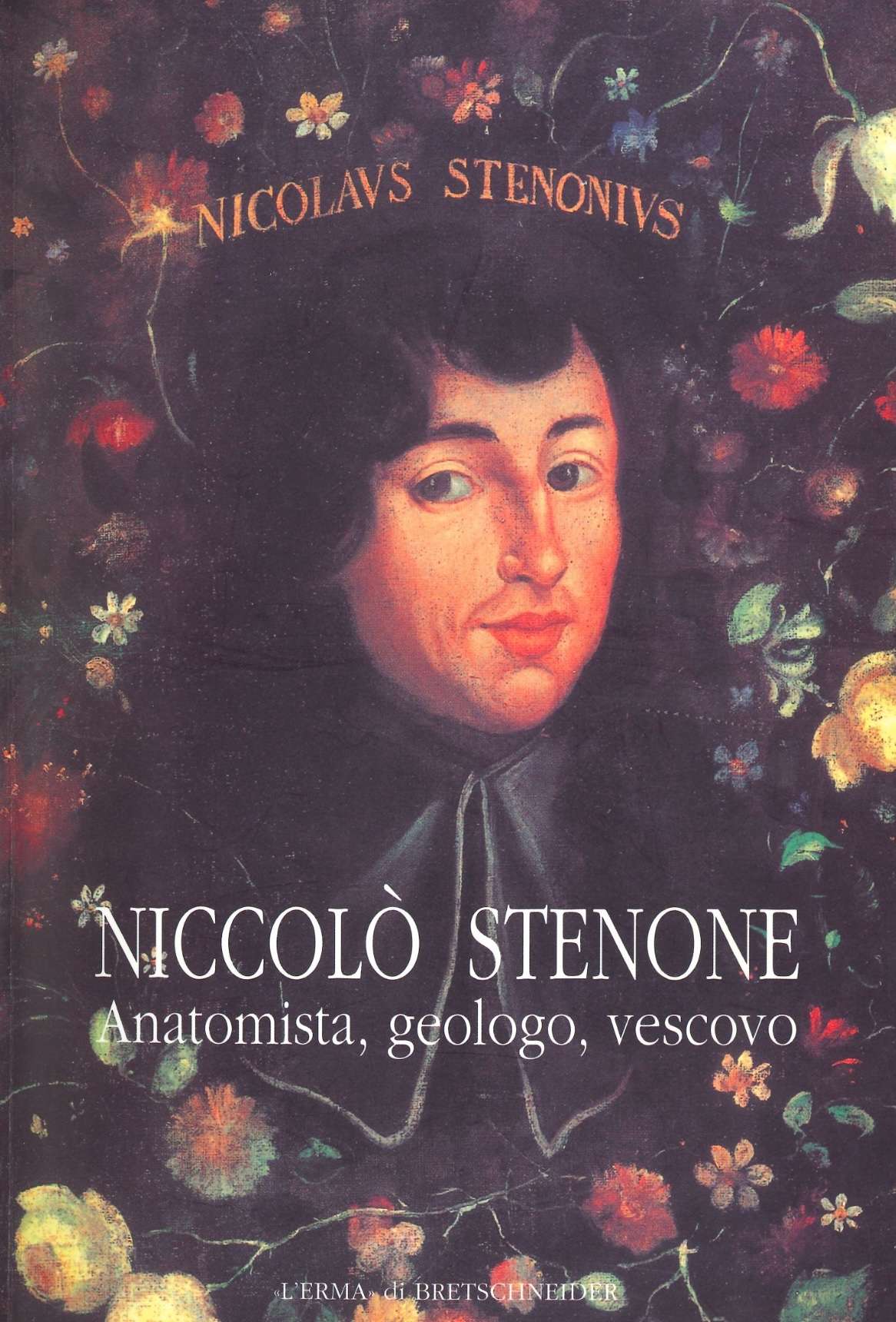
XXXI NICCOLO' STENONE. ANATOMISTA, GEOLOGO, VESCOVO.
Author: Karen Ascani, Hans Kermit and Gunver Skytte
Editor: L'Erma di Bretschneider
Contents
Contents
H. Kermit e G. Skytte: Prefazione
H. Salvesen: The Holistic Scientist Niels Stensen and the University Ideals and Challengs
S. Holsting: A Homage
H. Kermit: The Life of Niels Stensen
H. Kermit: The Oneness in Niels Stensen's Life
P. Totaro: “Ho certi amici in Ollandia”: Stensen and Spinoza - science verso faith
AV. What: Polidore and Théophile: the ratinalist and the faithful Observer
J.M. Hansen: Il giudizio di Stenone sulla metodologia cartesiana
T. Kardel: On “Perhaps the Weakest” and Stenone's Works: What Causes Muscular Movement, Inflation or Contraction?
S. De Rosa: Cosimo III de'Medici and Niccolò Stenone
K.E. Børresen: Some Approaches to Niels Stensten's Theology
A. Ziggelaar S.J.: L'evoluzione spirituale di Niccolò Stenone giovane.
N. Stensen: Chronology
Authors’ addresses
Review
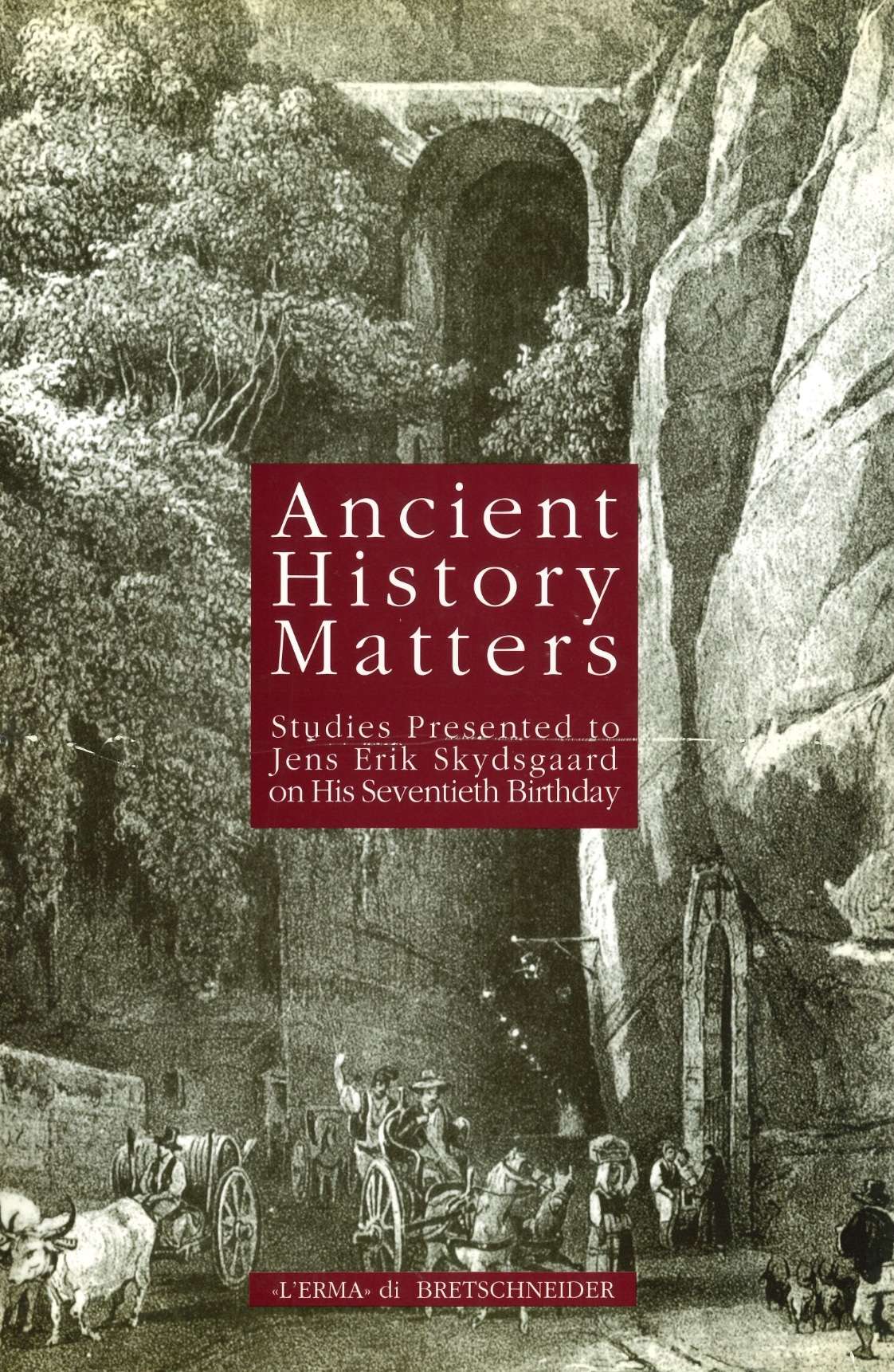
XXX ANCIENT HISTORY MATTERS - Studies presented to Jens Erik Skydsgaard on His Seventieth Birthday
Author: Karen Ascani, Vincent Gabrielsen, Kirsten Kvist, Anders Holm Rasmussen
Editor: L'Erma di Bretschneider
Contents
CONTENTS
Preface
C.R. Whittaker: Proto-industrialisation in Roman Gaul
E. Christiansen: The Moses Finley Approach to Slavery and Slave Society
T. Bekker-Nielsen: Fish in the Ancient Economy
G. Shipley: Rural Landscape Change in Hellenistic Greece
J. A. Krasilnikoff: Water and Farming in Classical Greece: Evidence, Method and Perspective
M. Jameson: Attic Eschatia
B. Wells: The kontoporeía-a Route from Argos to Korinth
L. Quilici: Da Roma alle foci del Garigliano. Per un parco regionale della Via Appia Antica
H. Forbes & L. Foxhall: Anonyma Therina: Summer Crops in Theophrastus and in Modern Greece
P. N. Doukellis: Approaching Roman Cadastres in Greece: Retrospective Remarks
Jesper Carlsen: Estate Managers in Ancient Greek Agriculture
Ö. Wikander: “Where of Old all the Mills of the City have been Constructed”. The Capacity of the Janiculum Mills in Rome
J. Isager: Pliny on Poison, Agriculture and Art
L. Hannestad: Gods and Agriculture: Evidence from an Agrarian Settlement in the North-Western Crimea
S. Isager: Halicarnassus and the Well of Aphrodite. On EG 199, Text and Provenance
A. Holm Rasmussen: The Attalid Kingdom and the Cult of Cybele at Pessinous
S. William Rasmussen: Ars haruspicina and ars nesciendi-Some Reflections on a Sheep's Liver
J. Ch. Meyer: Omens, Prophecies and Oracles in Ancient Decision-Making
Ch. Wikander: Dynasty-The Environment of Hellenistic Monarchs
M. Herman Hansen: The 190 Themistokles ostraka as Evidence of Large Political Groups
J. H. Carpenter: The Naval Policy of Themistocles
V. Gabrielsen: Socio-economic Classes and Ancient Greek Warfare
N. M. Saxtorph † & Christian Gorm Tortzen: Acies contra Alanos: Arrian on Military Tactics
A. Søby Christensen: Caesar's Last Will and Testament?
K. Friis Johansen: On the Composition of Plato's Republic. Some Reflections
J. Christensen: A Note on Patientia as a Political Term in Cicero's In Catilinam I.1
D. Vera: Res pecuariae imperiali e concili municipali nell'Apulia tardoantica
P. Bruun: Coins and History
N. Hannestad: My Best Ideas-I Got Them from Others
M. Moltesen: Three Little Bears
K. Ascani: Georg Zoega e Napoli
I. Gradel: Syme's Roman Revolution-and a British One
E. Hansen: Memories of Delphi
K. Kvist: Works Published by Jens Erik Skydsgaard
Index
Tabula Gratulatoria
Review
J. Debergh: “This volume of tributes to J. E. Skydsgaard, who for many years taught Ancient History at the University of Copenhagen (...), contains 34 contributions. They focus on agriculture in both the Greek and Roman worlds.” Latomus 2003/62/2, 475-476.
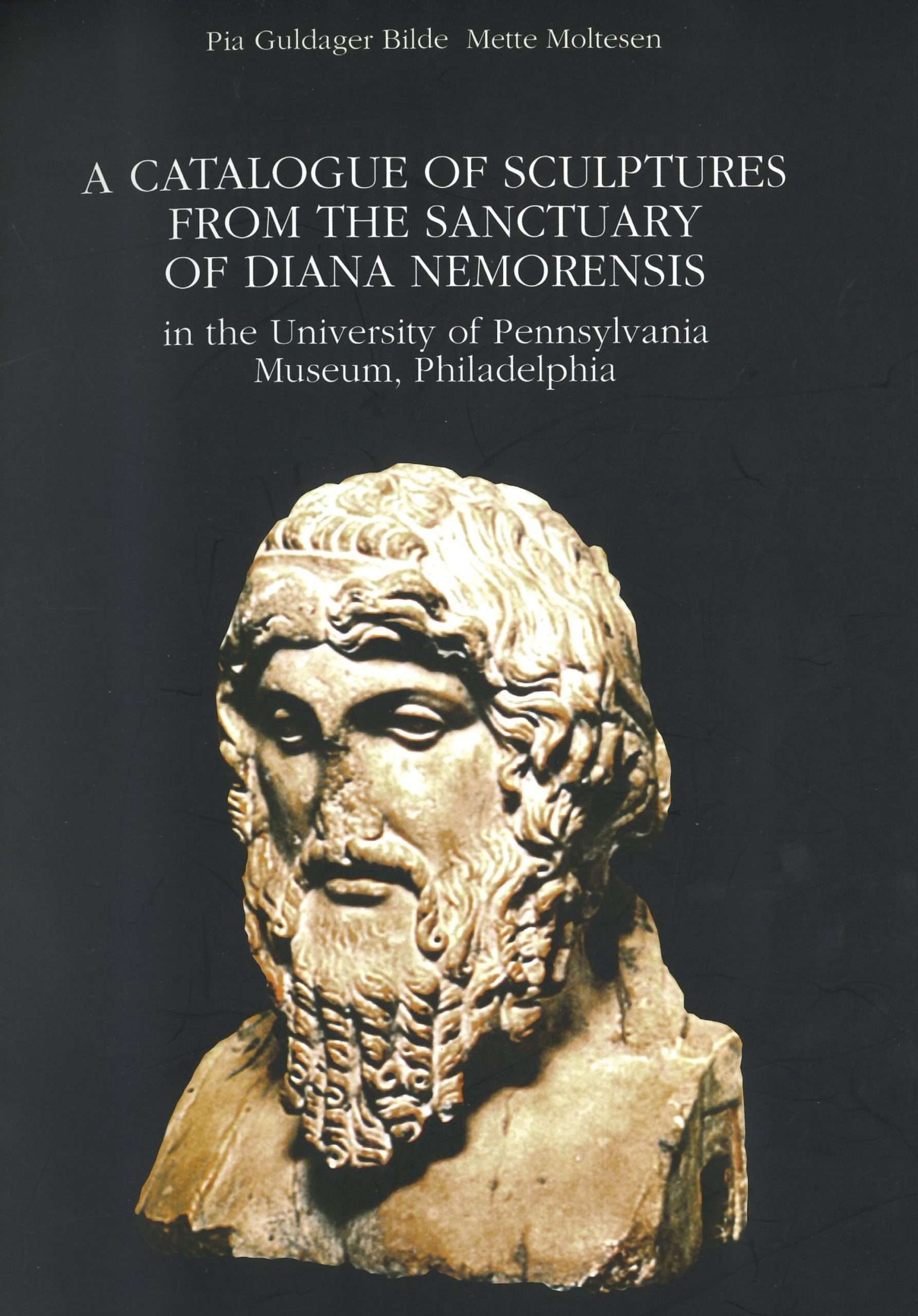
XXIX A CATALOGUE OF SCULPTURES FROM THE SANCTUARY OF DIANA NEMORENSIS
Author: Pia Guldager Bilde & Mette Moltesen
Editor: L'Erma di Bretschneider
Contents
CONTENTS
A Catalogue of Sculptures from the Sanctuary of Diana Nemorensis in The University of Pennsylvania Museum, Philadelphia.
Catalogue
Appendix 1
Appendix 2
Bibliography and Abbreviations
Review
H. Lavagne: “Catalogue of modest size but of excellent quality, containing 44 entries.” Latomus 2007/66/1, 288-288.
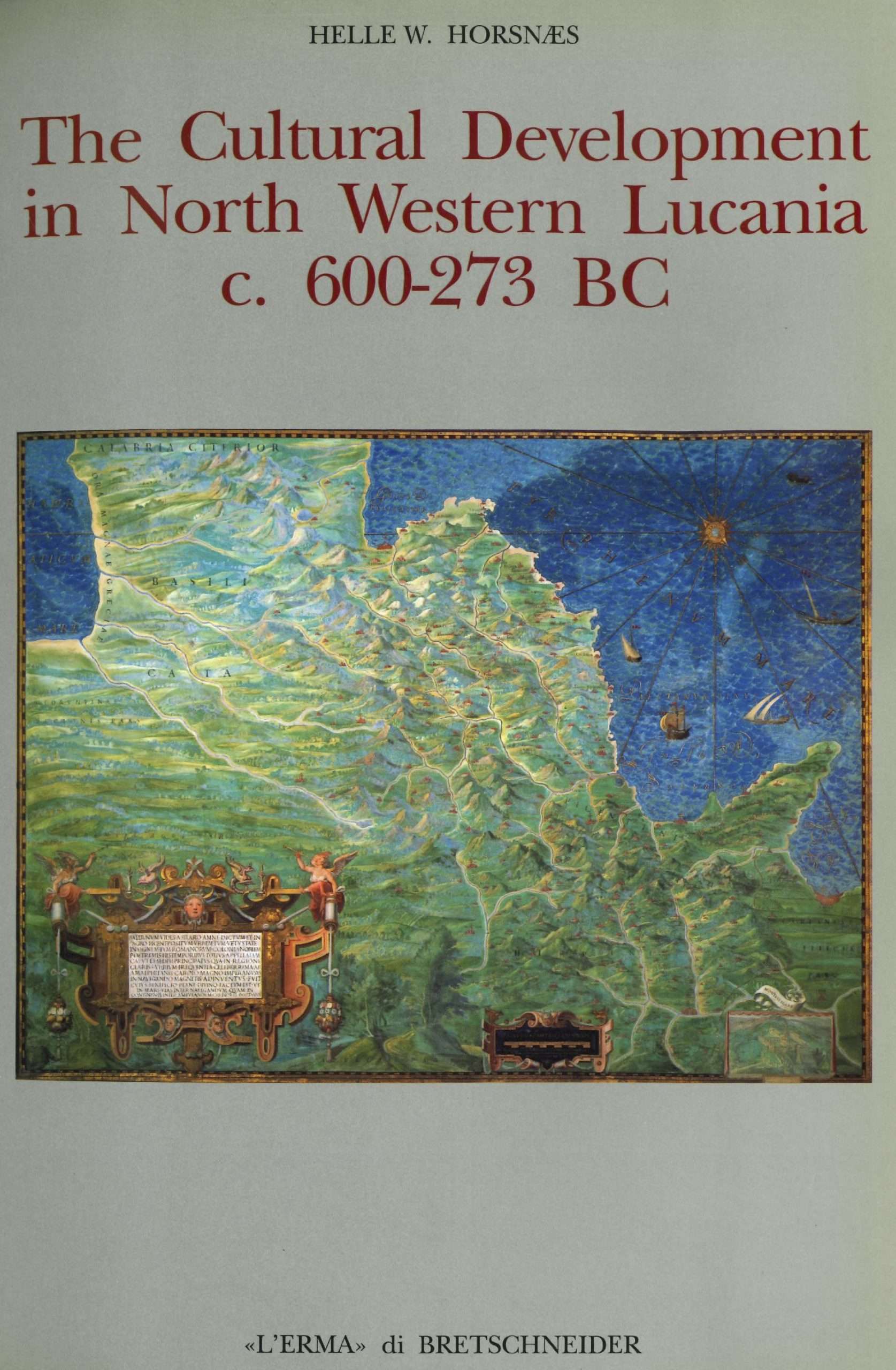
XXVIII THE CULTURAL DEVELOPMNENT IN NORTH WESTERN LUCANIA C. 600-273 BC
Author: Helle W. Horsnæs
Editor: L'Erma di Bretschneider
Contents
CONTENTS
Acknowledgements
Chapter 1 Introduction
Chapter 2. Topography
Chapter 3 Achaeological evidence from Northwestern Lucania
Chapter 4. Literary sources
Chapter 5 Conclusions
Catalogue of sites
List of illustrations
Index
Bibliography and abbreviations
Review
L. Moscati Castelnuovo: “(...) il volume di Helle W. Horsnaes (...) fornisce un'analisi sistematica ed aggiornata della cultura materiale delle popolazioni indigene stanziate nella Lucania nord-occidentale nel periodo caratterizzato dalla presenza greca, ossia dal 600 ca., epoca della fondazione di Poseidonia, fino al 273, anno dell'istituzione della colonia latina di Paestum.” Latomus, 2007/66/4, 1042-44.
XXVII URBAN SPACE AND URBAN CONSERVATION AS AN AESTHETIC PROBLEM
Author: G. Algreen-Ussing, L. Bek, S. Bo Frandsen & J. Schjerup Hansen
Editor: L'Erma di Bretschneider
Contents
CONTENTS
S. Bo Frandsen: The Representation and History in medieval Cities of Central Italy
A. Román: Qualities of Historic towns to be Preserved - According to the Charter and Besides it
J. King: Aesthetic in Integrated Conservation Planning: A Consideration of its Value
D. Kolb: The Age of the List
Mr C. Boyer: Urban Form and the Intentional Artifice
A. Sutcliffe: The Street as an Eternal Component of Urban Form
L. Bek: Historicity of Sight. Consequences and prognoses for Urban Space and urban Conservation
Review
XXVI LA VISIONE ESISTENZIALE NEI ROMANZI DI ELSA MORANTE
Author: Conny-Kaj Jørgensen
Editor: L'Erma di Bretschneider
Contents
Index
INTRODUZIONE
1. THE POETIC UNIVERSE
2. INGANNO E INCANTO
3. AN IDILLIO PRECARIO
4. SCONFORTO E SPERANZA
5. UN GRIDO DI DOLORE
6. LE VIRTÙ TEOLOGALI
7 CONCLUSION
BIBLIOGRAPHY
Review
XXV AVIGNON & NAPLES. Italy in France - France in Italy in the Fourteenth Century
Author: Marianne Pade, Hannemarie Ragn Jensen and Lene Waage Petersen
Editor: L'Erma di Bretschneider
Contents
Sommario
Premessa
G. Billanovich: Codici francesi in Lombardia fra Tre e Quattrocento
B. Munk Olsen: Studying the classics in Avignon in the 14th century
A. Manfredi: Un codice di Plinio il Giovane per Benedetto XIII
L. Bek: Paradise into Landscape. The Notion of Pictorial Space as an Experience of Identity
H. Ragn Jensen: The Presence of Vitruvius in Petrarch's Avignon
F.J. Nichols: Petrarch Transplants the Muses
M. Skafte Jensen: Petrarch's farewell to Avignon: Bucolicum Carmen VIII
K. Friis-Jensen: Petrarch and the Medieval Horace
M. Laureys: Between Mirabilia and Roma InstaurataGiovanni Cavallini's Polistoria
R. Mercuri: Avignon e Napoli in Dante, Petrarch and Bocaccio
A. Attendance: L'Italia meridionale nelle cronache di Jean Froissart
C. Lee: Avignon and Naples: an Italian Court in France, a French Court in Italy
Mr Pade: The Fragments of Theodontius in Boccaccio's Genealogy Deorum Gentilium Libri
J. Bergsagel: Some Musical Connections Between France and Italy in the 14th Century
Bibliografia selettiva
Indice dei nomi
Indice dei manoscritti
Review
H. Dietrich: “In it the author refers to knowledge gained during his work on this volume, which includes additions and corrections to research on the entire course of the Aurelian Wall.” Orbis Terrarum 1998/5, 256.
XXIV VILICI AND ROMAN ESTATE MANAGERS UNTIL AD 284
Author: Jesper Carlsen
Editor: L'Erma di Bretschneider
Contents
CONTENTS
I. INTRODUCTION
II. VILICUS
III. VILICUS RUSTICUS
IV. VILICUS AND COLONUS
V. ACTOR
VI. DOMUS OFFICIALS
VII. CONCLUSIONS
Review
XXIII GOLDONI AND THE BOURGEOIS DRAMA
Author: Michel Olsen
Editor: L'Erma di Bretschneider
Contents
Introduction
Sensitive comedy
Diderot's Bourgeois Drama
Goldoni and bourgeois theatre
Two Danish playwrights
General conclusions
Authority in the triangle
Review
L. Klem: “The author has seriously endeavoured to deviate from his own values, as well as from the values of the 20th century as a whole, and in my opinion he has succeeded. After reading it, you know and understand Goldoni's world better.” Orbis Litterarum 1998/53, 269-276.
XXII LANDUSE IN THE ROMAN EMPIRE
Author: Jesper Carlsen, Peter Ørsted, Jens Erik Skydsgaard
Editor: L'Erma di Bretschneider
Contents
J. Carlsen: CIL X 8217 and the Question of Temple Land in Roman Italy
P.L. Dall'Aglio: Centuriazione e uso territorio nella pianura emiliana
R. Bruce Hitchner: Image and Reality: The Changing Face of Pastoralism in the Tunisian High Steppe
Dennis P. Kehoe: Approaches to Profit and Management in Roman Agriculture: The Evidence of the Digest
J. Kolendo: Praedia suburbana e loro redditività
P. Leveau: Dal paesaggio naturale al paesaggio coltivato. Dati archeologici relativi ai grandi lavori agricoli in età romana: il drenaggio delle paludi nella Bassa Provenza
D. Manacorda: Gli aselli dossuarii di Varrone
D.J. Mattingly: Regional Variation in Roman Oleoculture: Some Problems of Comparability H.F.C. Mørch: Agricultural Landscape: A Geographer's Considerations on the Past
P. Ørsted: From Henchir Mettich to the Albertini Tablets. A Study in the Economic and Social Significance of the Roman Lease System (locatio-conductio)
L. Quilici: Centuriazione e paesaggio agrario nell'Italia centrale
S. Quilici Gigli: The Changing Landscapes of the Roman Campagna: lo sfruttamento del territorio in età imperiale
P. Rosafio: Slaves and Coloni in the Villa System
W. Scheidel: Grain Cultivation in the Villa Economy of Roman Italy
Review
R. Chevallier: “These proceedings of a conference held at the Danish Institute in Rome in January 1993 contain 14 papers.” Belgian Journal of Philology and History 1996/74/1, 180.
P. Desy: “This volume is an unchanged reprint of the 1997 edition of the proceedings of a symposium on Roman agrarian economy held at the Danish Institute in Rome in 1993.” Classical Antiquity 2003/72, 567-568.
E. Fentress: “This conference volume contains an interesting if somewhat heterogeneous collection of papers from historians and archaeologists of the Roman countryside. Although the title suggests a more general treatment of the Empire, in practice the papers refer almost exclusively to Italy and Africa Proconsularis, with Philippe Leveau's short introduction to his work around the Etang de Berre the only geographic outlier.” Journal of Roman Studies 1996/86, 210-211.
P. Jaliette: “A large-scale project to which the collective work edited by Jesper Carlsen contributes, which deals in a stimulating way with topics as diverse as the natural environment, agrarian structure, the cultivation system, the landscape, all difficult questions whose study requires the mobilisation of all disciplines.” Northern Review 1997/79, 194-199.
C. Moatti: “The book edited by J. Carlsen is a new demonstration of this: sharp articles and an explicit rejection of any synthesis, on the pretext that many aspects remain debatable. The result is no less exciting because of the quality of the contributions and the diversity of the insights.” Revue historique de droit français et étranger (1922-) 1998/76/1, 96-97.
J. N. Robert: “In all, fourteen complementary papers to fuel «fruitful debate» in the editors” own words. But, as they themselves admit, we still know too little to write a history of agriculture in the Roman world, especially as far as late Romanisation is concerned." Latomus 1997/56/3, 694-695.
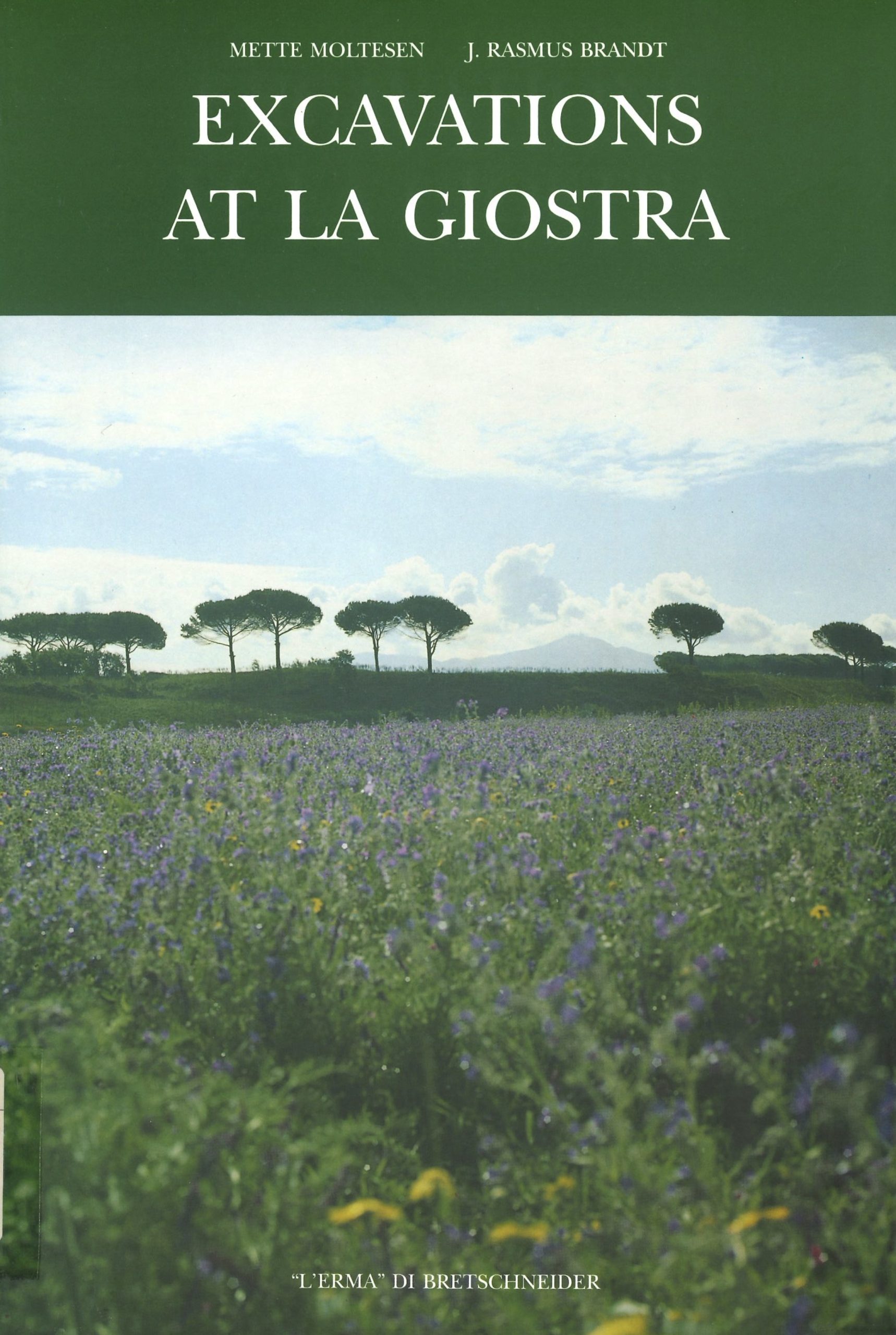
XXI EXCAVATIONS AT LA GIOSTRA. A Mid-Republican Fortress outside Rome.
Author: Mette Moltesen & J. Rasmus Brandt
Editor: L'Erma di Bretschneider
Contents
I. J. Rasmus Brandt: General topography
II. J. Rasmus Brandt:La Giostra in modern cartographical and historical studies.
III. J. Rasmus Brandt: The excavations
IV. Mette Moltesen: Catalogue of the finds.
V. Mette Moltesen & J. Rasmus BrandtInterpretations of the architectural remains
VI. Mette Moltesen: a Roman fortress and its historical context
Appendices
Review
J. Debergh: “A. Moneti, La Santa Sofia di Giustiniano e il Tempio del Sole di Aureliano (...) presents solid arguments to affirm that the Constantinopolitan church derives directly from the monument erected in 274 by Aurelian (...), whose appearance has been preserved in graphic documents from the 16th and early 17th centuries.” Latomus 1995/54/4, 956-956.
A. Francis: “Cette chronique des fouilles des fouilles danoises (1976-1978) de La Giostra, colline fortifiée à 14 km au sud-est de Rome, commence par le classique chapitre consacré à la description topographie et toponymique du site, ainsi qu’à l’historique de sa découverte.” Belgian Journal of Philology and History 1996/74/1, 244-245.
J. Poucet: “The publication of the results, very carefully prepared and preceded by a thorough cartographic and historiographic study, is abundantly illustrated with drawings and black and white photographs.” Latomus 1997/56/2, 456.
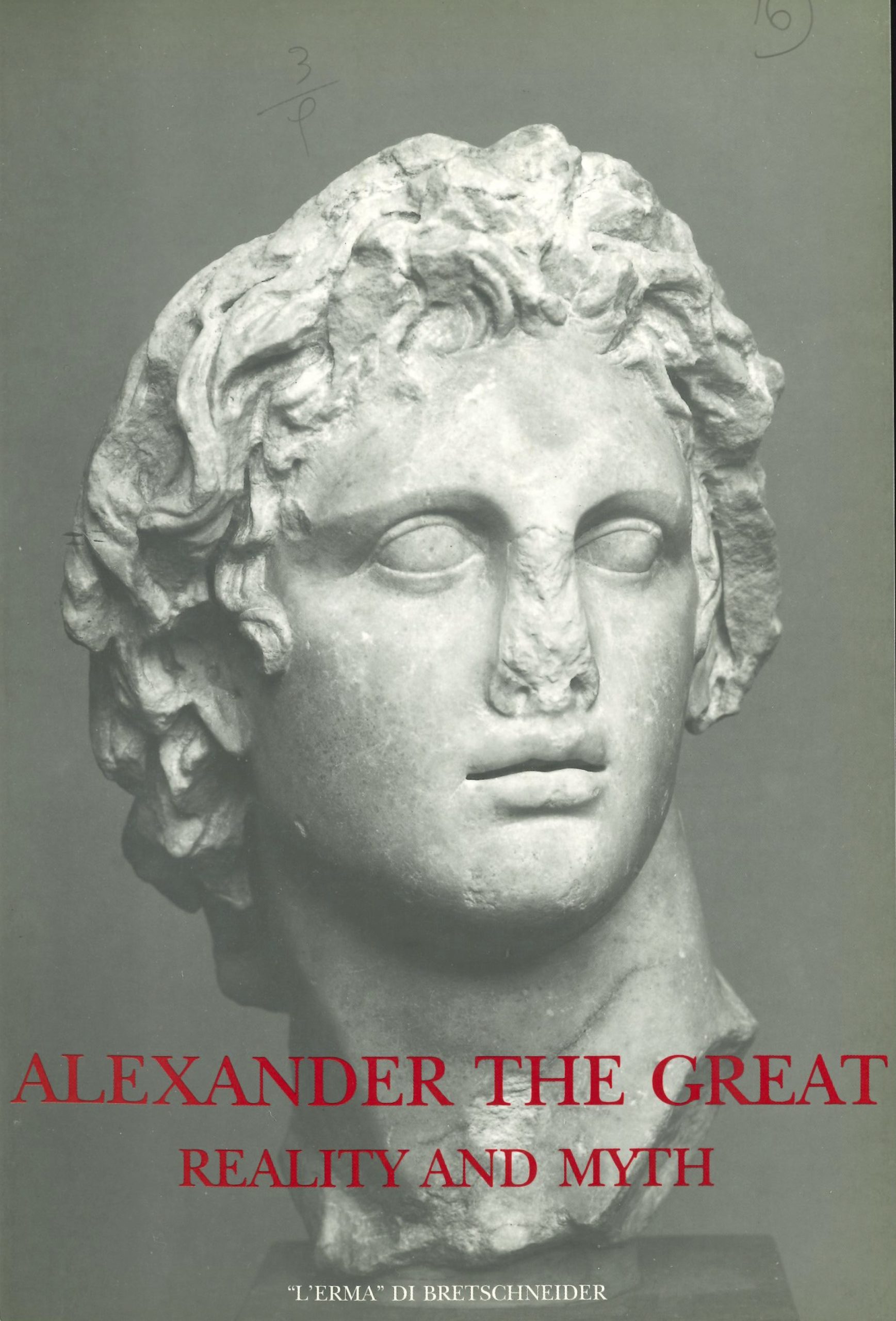
XX ALEXANDER THE GREAT - Reality and Myth
Author: Jesper Carlsen, Bodil Due, Otto Steen Due & Birte Poulsen
Editor: L'Erma di Bretschneider
Contents
CONTENTS
O.S. Due: Intruction
P. Briant: Alexander in Sardis
G. Calcani: Alessandro Magno's image in the Granico equestrian group
J. Carlsen: Alexander the Great(1970-1990)
B. Due: Alexander's Inspiration and Ideas
N. Hannestad: Imitatio Alexandri in Roman Art
M. Heerma van Voss: Alexander and the Egyptian religion
J. Isager: Alexander the Great in Roman Literature from Pompey to Vespasian
B. Kiilerich: The Public Image of Alexander the Great
H. Montgomery: The Greek Historians of Alexander as Literature
P. Moreno: L'immagine di Alessandro Magno nell'opera di Lisippo e di altri artisti contemporanei
A.M. Nielsen: The Mirage of Alexander - a Minimalist View
C. Nylander: Darius III - The Coward King. Points and Counterpoints
B. Poulsen: Alexander the Great in Italy during the Hellenistic Period
M. Jessop Price: Alexander's Policy on Coinage
H.Sancisi-Weerdenburg: Alexander and Persepolis
S. Sande: The Golden Alexander
Review
J.-M. Bertrand: “We can see that this book does not aim to put an end to the debates, on the contrary, it helps to relaunch some of them that have been open since the King's death. You should read it and thank the publishers for having conceived the programme and edited it so successfully.” Classical antiquity 1995/44, 463-464.
A. Bettini: “Il ventesimo volume del periodico dell'Accademia di Danimarca contiene dieci contributi relativi a differenti discipline dalle antichit fenicio-punicho, all'archeologica classica, alla topografia alla storia dell'arte.” Naia 1994/2, 235-236.
J. Debergh: “This valuable architectural study shows the evolution of the walls and their surroundings and at the same time encourages the authorities to undertake the necessary conservation measures and road improvements.” Latomus 1994/53/2, 503-504.
C. Evers: “Dans cette dernière livraison des Analecta , F.O. Hvidberg-Hansen (p. 7-30) analyse la divinité Sardus Pater en Sardaigne.” Classical Antiquity 1994/63, 656-657.
P. Salmon: “The brilliant contributions in this magnificent book attempt to separate fact from myth. The iconography is original, the bibliographical notes are excellent, the presentation is impeccable.” Belgian Journal of Philology and History 1996/74/1, 220.
H. Solin: “Insomma, due volumi [this and the 19th volume] ben riusciti.” Acta Philologica Fennica 1994/28, 181.
XIX INVESTIGATIONS AT THE TRAJANSTHERMES OF ROME II: Sette Sale
Author: Kjeld de Fine Licht; with contributions from John Lund and Jørgen Hansen
Editor: L'Erma di Bretschneider
Contents
Table of contents
Preface
Introduction
Sette Sale
Excavations at the Sette Sale 1981-83
Dating
Older buildings in the village
Side dish
Review
J. Debergh: “The new volume of the organ of the Danish Institute in Rome has several articles on ancient, Etruscan and Roman Italy.” Latomus 1992/51/4, 949-950.
H. Dodge: “It is well-illustrated with clear photographs and diagrams and includes some illuminating eighteenth-century engraving of the site. The dating of the structure to the time of Trajan is discussed in the light of evicence from stamped bricks and lead pipes.” The Journal of Roman Studies 1994/84, 190-191.
H. Manderscheid: “In cinque capitoli viene dato, sulla base dei più vecchi e dei recenti scavi dell'Autore, un quadro completo dell'edificio e della sua funzione. I due contributi aggiunti alla fine del libro (...) completano questo quadro.” Archeologia Classica 1995/47, 369-374.
F. Sacchi: “Considerata per lungo tempo e a torto come parte della domus aurea neroniana, la cisterna del complesso delle terme di Traiano, designata sin dal XVI sec. con il termine improprio di ‘Sette Sale’, diviene oggetto in questo volume di uno studio complessivo,frutto di un esame comparato tra dati plani metrici, tecnici e funzionali.” Aevum 1993/67/1, 235-235.
H. Solin: “Insomma, due volumi [this and the 20th volume] ben riusciti.” Acta Philologica Fennica 1994/28, 181.
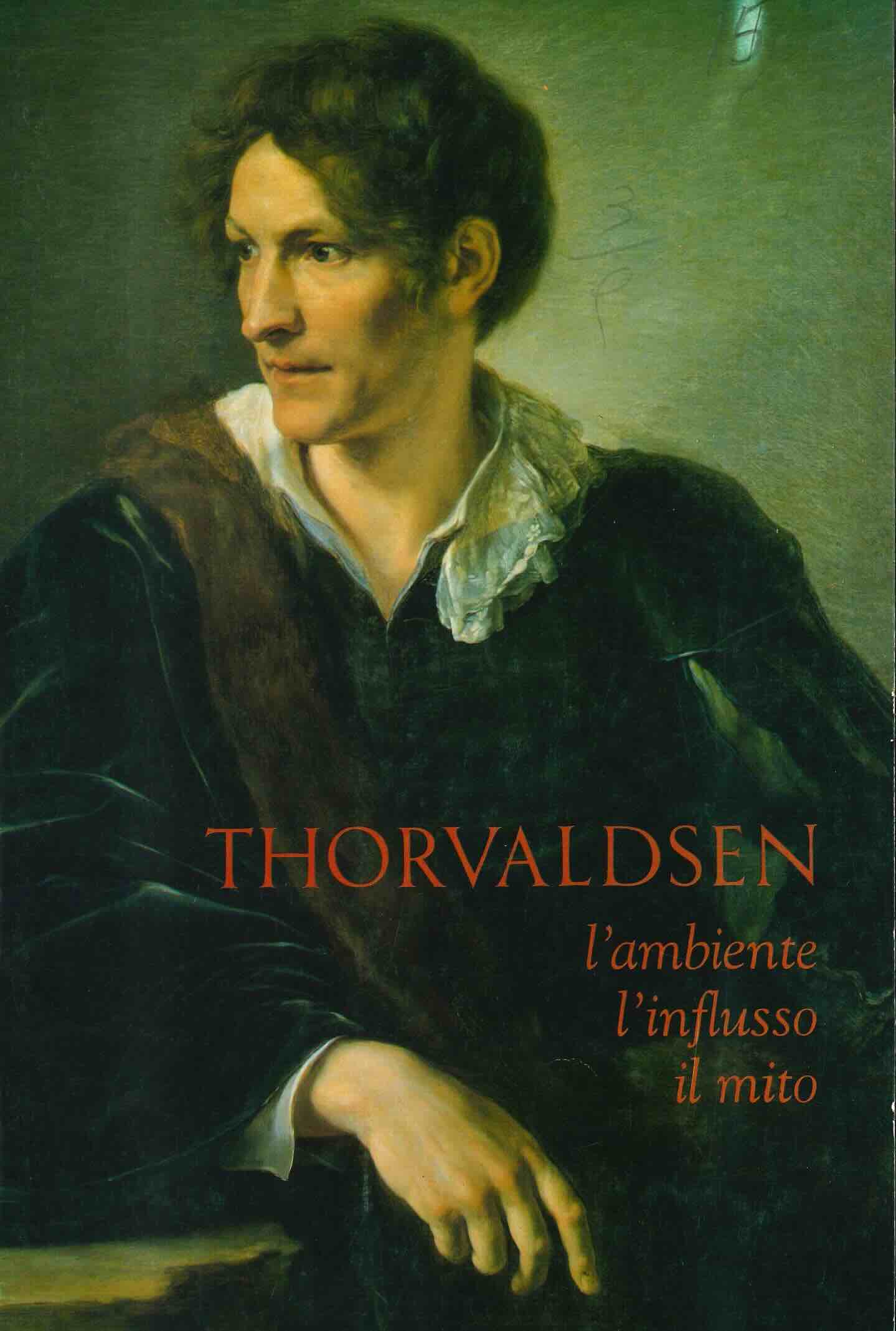
XVIII THORVALDSEN - L'ambiente, l'influsso, il mito
Author: Patrick Kragelund and Mogens Nykjær
Editor: L'Erma di Bretschneider
Contents
SOMMARIO
E. di Majo, S. Susinno: Thorvaldsen a Roma e in Italia. Criteri di una mostra e qualche spunto di ricerca
A. Pinelli: Canova's Perseo and Thorvaldsen's Giasone: due modelli di “nudo eroico” a confronto
B. Jørnæs: Thorvaldsen's “Triumph of Alexander” in the Palazzo del Quirinale
E. Debenedetti: Il ruolo di Thorvaldsen nell'ambito delle istituzioni culturali a Roma
A. Campitelli: Thorvaldsen's school in Torlonia di Roma e Castel Gandolfo
B. Steindl: Una committenza Torlonia: la cappella Torlonia a San Giovanni in Laterano
L.P. Biroli Stefanelli: Le opere di Thorvaldsen nella glittica romana dell'Ottocento
D. Gallo: Ennio Quirino Visconti e il restauro della scultura antica tra Settecento e Ottocento
O. Rossi Pinelli: Il frontone di Aegina e la cultura del restauro dell'antico a Roma intorno al 1816
R. Giuliani: Thorvaldsen e la colonia romana degli artisti russi
K. Bott: Interactions between Thorvaldsen and his German clients
L. Dimmick: Mythic Proportion: Bertel Thorvaldsen's influence in America
P. Kragelund: Thorvaldsen and Abildgaard
M. Nykjær: Motivi classici nell'arte danese del primo Ottocento
E. Fischer: “Thorvaldsen's Arrival in Copenhagen on September 17, 1838”: Two Paintings by Eckersberg
E.M. Bukdahl: Winckelman, Wiedewelt, Thorvaldsen and Danish Sculpture in the 1980s
Review
R. Chevallier: “A wide variety of original points of view, beautifully illustrated (...), which will stimulate parallel research on other neoclassical artists.” Latomus 1995/55, 732-733.
XVII PAINTED TOMBS IN ETRURIA. A catalogue
Author: Erik Poulsgaard Markussen
Editor: L'Erma di Bretschneider
Contents
CONTENTS
Acknowledgement
Introduction
I. REsearch
II. Bibliography
III. Periodicals and series
IV. Provenance
V. Tombs
VI. Catalogue
VII. Synonymy
Review
B. Bouloumé: “This book is therefore intended for a very limited audience of researchers who are already familiar with the bibliography and especially with Steingraber's catalogue. As it is, it will obviously be of service to specialists.” Classical Antiquity 1995/44, 548.
P. Fountaine: “With this volume, anyone interested in Etruscan tomb paintings has an excellent heuristic tool.” Belgian Journal of Philology and History 1996/74/1, 253.
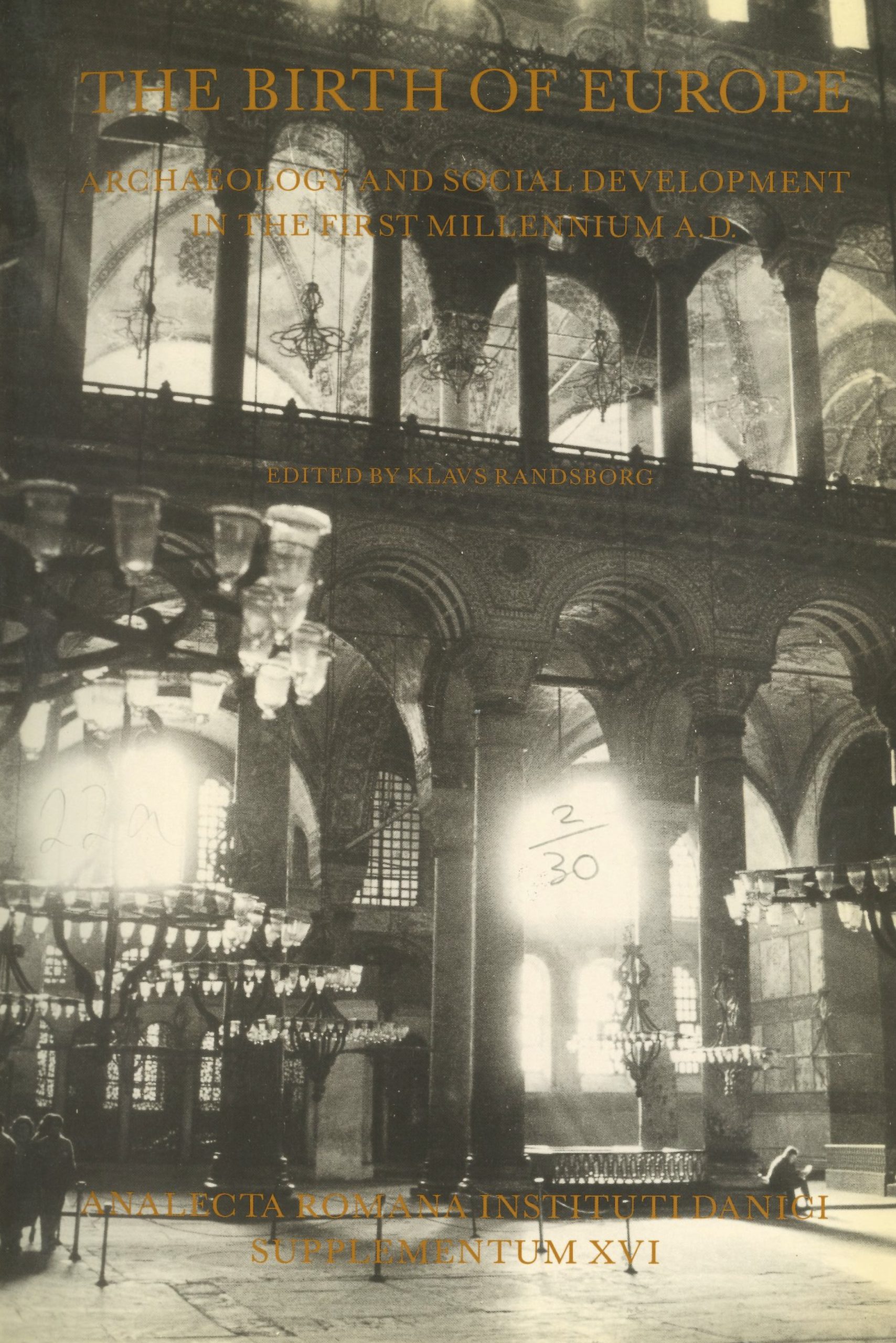
XVI THE BIRTH OF EUROPE - Archeology and social development in the first millennium AD
Author: Klavs Randsborg
Editor: L'Erma di Bretschneider
Contents
CONTENTS
K. Randsborg: To Study the First Millennium A.D.
I. Introduction
K. Randsborg: Europe in the First Millennium A.D.: Archaeological Approaches to Longterm Changes of Social Practices.
II. The Roman Empire and Barbarian Society
A. Carandini: Italian Wine and African Oil: Commerce in a World Empire
D. Manacorda & E. Zanini: The First Millennium A.D. in Rome: From the Porticus Minucia to the Via delle Botteghe Oscure
W.J.H. Willems: Rome and its Frontier in the North: the Role of the Periphery
U.L. Hansen: Beyond the Roman Frontier
J. Ilkjær: The Weapons Sacrifices from Illerup Ådal, Denmark
III. Settlement Archaeology in Roman Period Europe
G. Barker: The Italian Landscape in the First Millennium A.D.: Some Archaeological Approaches
E. Fentress & F. Gambi: Villas to Castles: First Millennium A.D. Demography in the Albegna Valley
F. Kaul: Priorslykke: A Fortified Early First Millennium A.D. Village in Eastern Jutland, Denmarks.
Hvass: Rural Settlements in Denmark in the First Millennium A.D.
IV. In the Aftermath of the Empire
H. Control: Archaeology and History: Proposals on the Social Structure of the Merovingian Empire.
J. Hansen: Dankirke: Affluence in Late Iron Age Denmark
U. Näsman: The Gates of Eketorp: To the Question of Roman Prototypes of the Öland Ring-Forts
V. The Rise of Western Europe
C. Wickham: Italy and the Early Middle Ages
T. Mannoni: General Remarks on the Changes in Techniques observable in the Material Culture of the First Millennium A.D. in North-West Italy
G.P. Brogiolo: Building Transformations in a Lombard City
R. Francovich: The Makings of Medieval Tuscany
A. Andrén: The Early Town in Scandinavia
VI. Conclusions
R. Hodges: Archaeology and the Class Struggle in the First Millennium A.D.IV. In the Aftermath of the Empire
H. Control: Archaeology and History: Proposals on the Social Structure of the Merovingian Empire
H.J. Hansen: Dankirke: Affluence in Late Iron Age Denmark
U. Näsman: The Gates of Eketorp: To the Question of Roman Prototypes of the Öland Ring-Forts
Review
O. Buchsenschutz: “Whether historian or archaeologist, the non-specialist of this period will, I believe, like the author of these lines, benefit from the examples of a fruitful dialogue between texts and the field, between Italy and Northern Europe. The specialist will find, in addition to an abundant biography, the direct confrontation of contradictory theses, a fruitful and stimulating dialogue.” RA 1992/1.
F. Canaccini: “A panorama worthy of the highest interest.” Salesianum 1994/56/4, 760.
A. Dierkens: “This volume is part of an impressive series of works on the Early Middle Ages that have appeared over the last ten years, and is notable for the generally high quality of the articles, some of which are destined to make their mark in historiography (H. Steuer, in particular), and for the attention given to a careful critique of the most recent archaeological sources.” Classical Antiquity 1996/65, 619-620.
T. Vermeeren: “This book, which is to be classed among the happy attempts because of the quality of its writing and the homogeneity of the subjects treated, is the final result of a symposium held in January 1987 under the auspices of the Danish Academy in Rome, in collaboration with the British Academy and the Swedish Institute of Classical Studies.” Rahal, 1990.
XV ELECTIONS, MAGISTRATES AND MUNICIPAL ELITE - Studies in Pompeian epigraphy
Author: Henrik Mouritzen
Editor: L'Erma di Bretschneider
Contents
CONTENTS
List of abbreviations
Preface
I. Pompeian epigraphy
Sources
Pompeian studies
Casa ed abitanti di Pompei
Della Corte as an epigraphist
II. Political institutions in Pompeii
III. Programme data recentiora
The dating of programmata recentiora
The function of electoral inscriptions in the election campaign and in Pompeii's social structure
IV. Pompeian magistrates and magisterial candidates in the period 80 BC - 79 AD
The Republican period
The Augustan and Early Imperial period
The period 50 to 79 AD
Analysis of the composition of the magisterial body in the period 80 BC - 79 AD
Concluding remarks on the social and political structure of Pompeian society
Catalogue of programmata recentiora
Catalogue of individual and collective rogatores
Notes
Bibliography
Indexes
Review
C. Bruun: “This book is an important contribution to many fields (...), but the recent works by Castrén and others are still valuable in several respects when future research sets out to answer the open questions of Pompeian history.” Arctos 1990/24, 201-203.
XIV SAXO GRAMMATICUS AS LATIN POET - Studies in the Vers Passages of the Gesta Danorum
Author: Karsten Friis-Jensen
Editor: L'Erma di Bretschneider
Contents
CONTENTS
Acknowledgements
Preface
I. The author and his conception of poetry
The Gesta Danorum and its author
Saxo and France
Saxo on his poems
II.The prosimetrum of the Gesta Danorum
The Latin prosimetrum
The Old Norse prosimetrum
Saxo's prosimetrum
III. The Bjarkamál
Chronology and background
Olrik's restoratio
The poem and its context
Exposition of the poem
The Bjarkamál as a Latin epic
A short analysis
The Aleandreis and fame after death
Vergil's Nyctomachia and the Bjarkamál
The Blooda Feast at Roskilde and the Bjarkamál
Conclusion
IV.Starcatherus the poet
Book VI and the power of poetry
Saxo's Starcatheru
The Lay of Helga
The Lay of Ingellus
V.Saxo the translator, stylist, and metrician
Parallelism and the verse of the Gesta Danorum
Saxo's poetic language
Formulaic phrasing in the hexameter
Metrical technique
Conclusion
Appendix I. Conspectus metrorum
Appendix II
Appendix III
Bibliography
Indexes
Review
K. Wolf: “Friis-Jensen's style is clear and incisive, and his arguments are elucidating and convincing. He has done exemplary work.” Scandinavian Studies 1990/62/3, 346-347.
XIII TEATRI GRECI E TEATRI ISPIRATI ALL'ARCHITETTURA GRECA IN SICILIA E NELL'ITALIA MRIDIONALE 350-50 A.C.
Author: Karina Mitens
Editor: L'Erma di Bretschneider
Contents
SOMMARIO
Premessa - Introduzione - Notizie storiche sulle ricerche e sugli scavi - Sicilia - Italia Meridionale: Magna Graecia, Campania, Samnium, Magna Graecia, Campania, Samnium - Riepilogo - Catalogo
Review
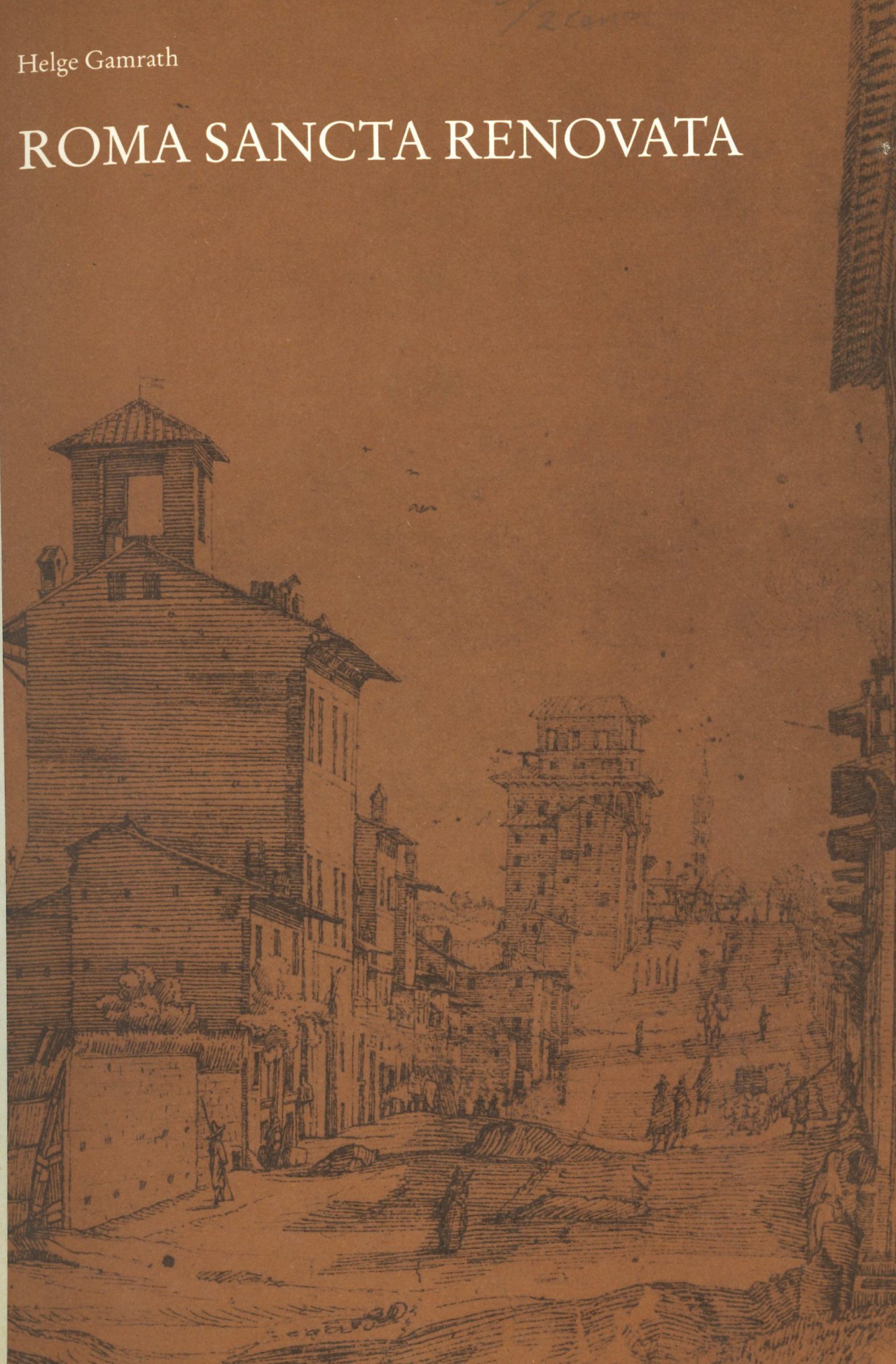
XII ROMA SANCTA RENOVATA - Studi sull'urbanistica di Roma nella seconda metà del sec. XVI con particolare riferimento al pontificato di Sisto V (1585-1590)
Author: Helge Gamrath
Editor: L'Erma di Bretschneider
Contents
SOMMARIO
Premessa
Introduction
1. La storia e lo sviluppo di Roma fino al 1585
2. L'epoca di Sisto V e la sua opera a favore di Roma
3. Lo sviluppo politico dello Stato pontificio, la politica ecclesiastica e la situazione della Chiesa
4. La controriforma e la Riforma cattolica a Roma
5 Roma sancta renovata, Sisto V, processioni e strade
6. Prospettiva: la Chiesa visualizzata
Review
XI PRE-REPUBLICAN ROME An Analysis of the Cultural and Chronological Relations, 1000-500 BC
Author: Jørgen Christian Meyer
Editor: Odense University Press
Contents
CONTENTS
Preface
I. Introduction
II. Relative chronology
III. Absolute chronology
IV. The urbanisation of Rome
V. The foundation of Rome - The Sabines and Rome
VI. The Etruscans and Rome
VII. Danish resumé
VIII. Appendix A
IX. Appendix B
X. Bibliography
XI. List of illustrations
XII. Kay maps
XIII. General index
Review
X CITTA' E ARCHITETTURA NELLA ROMA IMPERIALE - atti del seminario del 27 ottobre 1981 nel 25° anniversario dell'Accademia di Danimarca
Author: Kjeld de Fine Licht
Editor: Odense University Press
Contents
SOMMARIO
Presentation
K. Glamann: Il logorio del tempo
G. Carettoni: Le anterides di Vitruvio. Un esempio di applicazione pratica
P. Zanker: The Temple of Apollo on the Palatine. Decorations and political meaning after the Battle of Actium
F. Coarelli: The Pantheon, the apotheosis of Augusto and the apotheosis of Romolo
S. Quilici Gigli: Estremo Campo Marzio. Alcune osservazioni sulla topografia
L. Quilici: Il Campo Marzio occidentale
E. Rodrìguez-Almeida: Un nuovo frammento della Forma Urbis Marmorea
F. Castagnoli: Porticus Philii
G. Rickman: Porticus Minucia
L. Cozza: Le tegole di marmo del Pantheon
A. Claridge: Methods of fluting corinthian columns and pilasters
A. M. Colini: Considerazioni su la Velia da Nerone in poi
G. Pisani Sartorio: Una domus sotto il giardino del Pio Istituto Rivaldi sulla Velia
L. Fabbrini: Domus Aurea: una nuova lettura planimetrica del palazzo sul colle Oppio
K. de Fine Licht: Scavi alle Sette Sale
V. Santa Maria Scrinari: Il Laterano e le fornaci di epoca imperiale
A. Steinby: L'edilizia come industria pubblica e privata
J. Erik Skydsgaard: Public Building and Society in Ancient Rome
Indices
Review
IX TOWARDS PARADISE ON EARTH - Modern Space Conception in Architecture
Author: Lise Bek
Editor: Odense University Press
Contents
CONTENTS
Preface
Contents
List of plates
Figures in the text
Introduction
Part I: Axiality as a space creating principle from Dante to Alberti
Part II: The principle of axiality, and the origin of modern spatial conception. Albertianism or neo-platonism?
Part III: Axes and space in antiquity. Facts and assumptions
Review
VIII LA CATTEDRALE NORMANNA DI CEFALU' - Un frammento della società socio-politica della Sicilia medievale
Author: Thomas Thieme and Ingamaj Beck
Editor: Odense University Press
Contents
Premessa
I. Cefalù come feudo
II. Cattedrale e città
III. Cattedrale e castello
IV. Analisi delle strutture del monumento
V. Historia edilizia della cattedrale attraverso i documenti
VI. Proposte di ricostruzione
VII. Iconografia della decorazione musiva
VIII. Frammenti scultorei: un'interpretazione
IX. The Islamic paintings on the soffitto
X. Determinazione tipologica della cattedrale
XI. Measures and system of proportionality
Figure
Tavole I-VII
Review
VII INVESTIGATIONS AT THE TRAJAN THERMAL BATHS IN ROME. I.
Author: Kjeld de Fine Licht
Editor: Munksgaard
Contents
N/A
Review
S. Boucher: “Jens Erik Skydsgaard, Transhumance in Ancient Italy , pp. 7-36. The author studies transhumance, which (...)” Latomus 1976/35/1, 227-228.
H. Jucker: “The Danish building researcher writes German as if it were his mother tongue; that it is not is revealed only by the almost English conciseness and the factual clarity of the formulations.” Museum Helveticum, 1978/35/2, 120-121.
F. De Ruyt: “The 7th volume of the Danish Institute in Rome's «mélanges» is, like the previous ones, of great interest.” Classical Antiquity 1975/44/2, 823-824.
VI Le levé du Theatre Romain a Bosra, Syrie
Author: Helge Finsen
Editor: Munksgaard
Contents
N/A
Review
J. Debergh: “Two articles in the 6th volume of the Analecta of the Danish Institute in Rome concern Roman antiquity (...)” Latomus 1975/34/1, 279.
V DOMITIAN'S RESIDENCE ON THE PALATINE
Author: Helge Finsen
Editor: Munksgaard
Contents
N/A
Review
R. Chevallier: “P. Krarup reflects on the interpretation of the. De Republica by Cicero, after a brief overview (...)” Latomus 1969/28/4, 1143-1144.
IV VARRO THE SCHOLAR Studies in the first book of Varro's De Re Rustica
Author: Jens Erik Skydsgaard
Editor: Munksgaard
Contents
Preface
Introduction
I. Structure
II. Analytic Method
III. Exemplification
IV. The Agricultural Calendar with Comments (Philological Method)
V. Varro and the Technical Literature
VI. Varro as a Writer
VII. The Roman Scholar
VIII. Varra as a Source
IX. Varro and Caesar’s library
Dansk resumé
List of Book Consulted
Review
R. Chevallier: “F. S. Johansen draws up an admirably illustrated inventory of ancient portraits (sculptures) of Julius Caesar: the study includes a review of literary sources concerning the appearance of the dictator, comparisons with coins, goldsmiths, gems, a list of texts mentioning statues of Caesar.” Latomus 1969/28/4, 1143-1144.
A. S. Gratwick: “This excellent book, well translated by Mrs L. Havrelied, while not dealing with any linguistic or textual matters beyond the strictly relevant, and confining itself to the first book, is a landmark in Varronian studies.” The Classical Review 1970/20/1, 36-38.
D. Knecht: “Although his study is limited in principle to Book I of the Res rusticae ,
M. Skydsgaard manages to give a good overview of Varron's fascinating personality alongside the always interesting detailed observations, and better still, he is able to convey to the reader some of the sympathy that this much-maligned polygrapher inspires in him.” Classical Antiquity 1969/38/1, 248-249.
III LA SCAPIGLIATURA Un capitolo della storia del Risorgimento
Author: Jørn Moestrup
Editor: Munksgaard
Contents
I. Esposizione del tema
II. Rassegna della critica
III. I precedenti
IV. Gli scapigliatti
A. Il problema critico
B. Emilio Praga
C. Arrigo Boito
D. Iginio Ugo Tarchetti
E. Giovanni Camerana
F. Carlo Dossi
V. Conclusioni
A. Riassunto
B. Gli scapigliatti nel contesto europeo
C. Gli scapigliatti e il Risorgimento
D. La questione linguistica
E. Gli altri scrittori del quindicennio
VI. Economia del presente studio
VII. Dansk resumé
VIII. Note
IX. Bibliografia
X. Lista dei nomi
XI. Indice
Review
R. Chevallier: “J. A. Bundgârd, in an important memoir, reflects on the conditions of the diffusion of writing in the West (...)” Latomus 1969/28/4, 1143-1144.
II DOMUS FLAVIA ON THE PALATINE Aula Regia-Basilica
Author: Helge Finsen
Editor: Munksgaard
Contents
Review
J. C. Balty: “Extreme care in recording and great rigour of analysis characterise this work, and I think it will be necessary to take the greatest account of it in the majority of its conclusions (...).” Classical Antiquity 1964/33/1, 284-285.
R. Chevallier: “S. Skovgaard Jensen studies Sylvain and his cult and first (...)” Latomus 1969/28/4, 1143-1144.
I LA "PIAZZA D'ORO" E LA SUA CUPOLA
Forfatter:
Editor: Munksgaard
Contents
Review
R. Chevallier: “E. Dyggve analyses the decoration of St. Peter's pulpit (...)” Latomus 1969/28/4, 1143-1144.